History and culture
Marseille in the Middle Ages and the Renaissance
From the revival under the counts of Provence to the Black Death of 1348, the rebuilding by King René, the union with France in 1481, the forts of Louis XIV and the great plague of 1720: a thousand years of Marseille's history in one readable chapter.
The best way to understand a people is to know where they come from, and nobody has a better excuse for their character than the Marseillais. A thousand years of sieges, plagues, rebellions and rebirths produced a city that is stubborn, welcoming, suspicious of Paris and fiercely proud. This chapter runs from the end of antiquity to the eve of the Revolution.
Decline and revival
After the fall of Rome, Marseille shrank behind its walls. The 8th century, with Saracen raids along the coast, was the low point. Revival came in the 10th and 11th centuries under the counts of Provence, who let the city run its own affairs while its merchants rebuilt the trade routes. The lower town around the port became a self-governing commune, the upper town belonged to the bishop, and the abbey of Saint-Victor held vast lands; the three Marseilles quarrelled constantly.
The Crusades made the port rich again. Marseille’s ships carried pilgrims and knights to the Holy Land and came back with spices, silk and alum. In 1257 the city lost its independence to Charles of Anjou, the new count of Provence, but kept its privileges, its consuls and its taste for rebellion.
1348: the Black Death
In the winter of 1347 to 1348 Genoese galleys brought the plague from the Black Sea to Marseille, one of the first cities in Western Europe to be struck. The port that made the city’s fortune also made it vulnerable: the bacterium travelled with the fleas in the rats of every merchant ship. Within months, by some estimates, more than half of the inhabitants had died. The city buried its dead, took in refugees, and, as it always has, recovered.
King René and the rebuilding
In the 15th century Marseille found its greatest patron. René of Anjou, count of Provence and titular king of Naples, Sicily and Jerusalem, spent his last years in Provence and loved the city. He rebuilt its walls, developed its harbour, protected its fishermen by founding their guild, the prud’homie of fishermen that still exists, and used the port as a base for his Mediterranean ambitions. Under “good King René” Marseille grew from a battered town into a fortified city, and the tower he added to the old fort at the harbour mouth still carries his name inside Fort Saint-Jean.
1481: Marseille becomes French
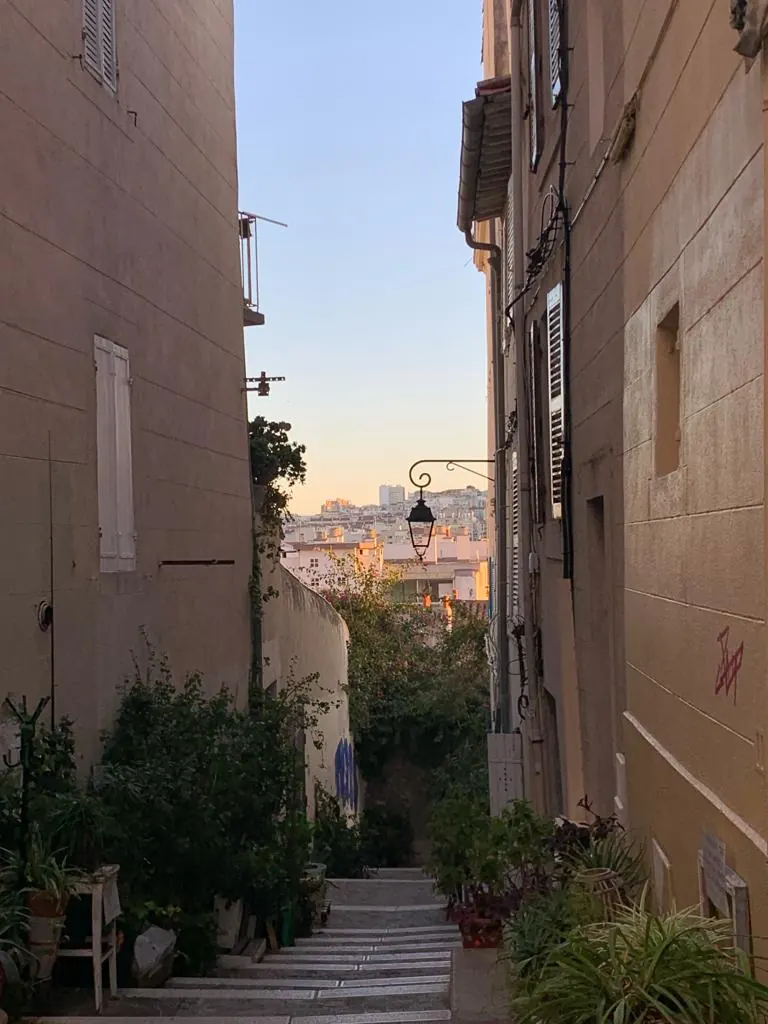
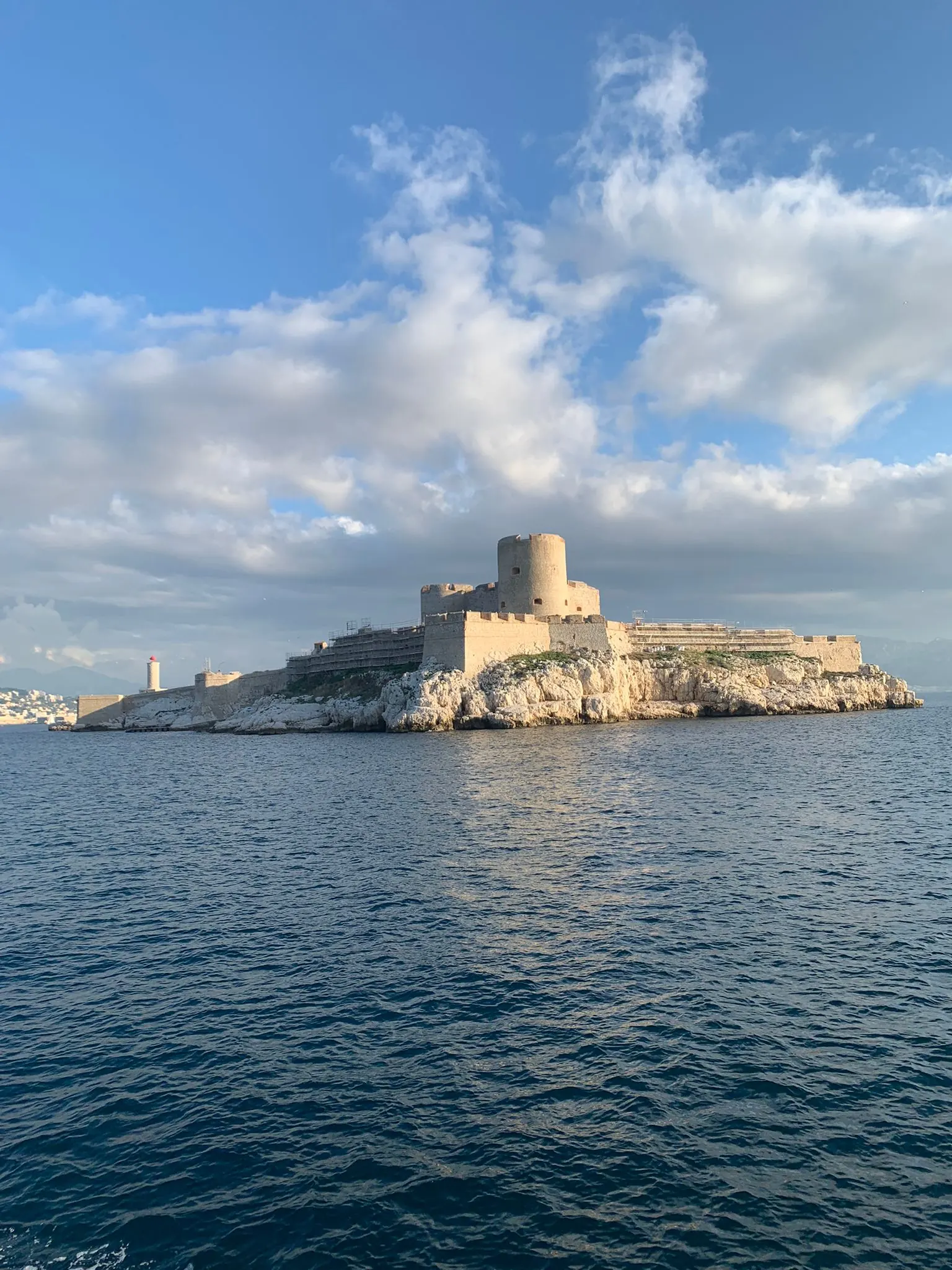
René died in 1480; his nephew Charles III followed him a year later and left Provence to the king of France. In 1481 Marseille entered the French kingdom, not as a conquered town but “as a principal ally”, with its privileges confirmed. The Renaissance city built the Château d’If on its island between 1524 and 1531, after a visit by François I revealed how exposed the harbour was, and the merchants raised the fine houses of the Panier, such as the Hôtel de Cabre of 1535 and the Maison Diamantée. The city also began to look south and east: Marseille’s traders were the first Frenchmen established in the ports of the Ottoman Empire.
Rebellion and the king’s forts
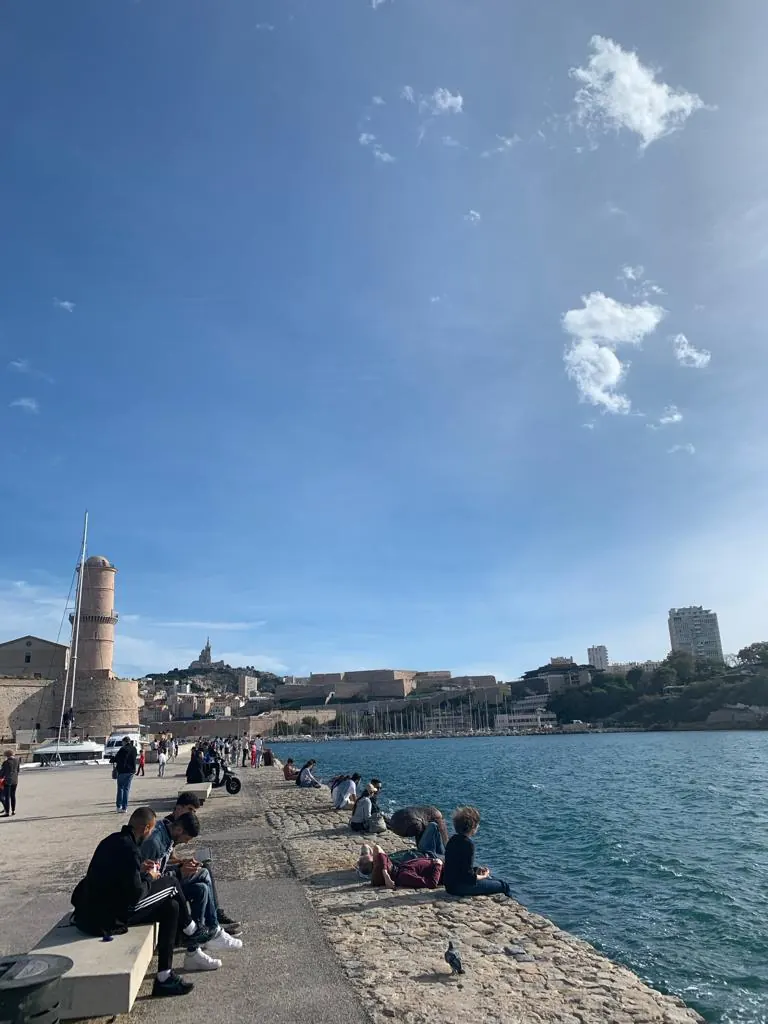
Marseille never liked taking orders. During the Wars of Religion it became an independent Catholic dictatorship under Charles de Casaulx from 1591 until his assassination in 1596. In the 1650s it rose again against the royal governor. In 1660 the young Louis XIV came in person, entered the city through a breach cut in its walls, abolished its consuls and ordered two forts: Fort Saint-Nicolas, new, on the south side of the harbour, and an enlarged Fort Saint-Jean on the north. Their cannons faced the town. The Marseillais have never quite forgiven him, but the forts are now their favourite place to watch the sunset.
The same century founded the great hospital of the Hôtel-Dieu on the hill of the Panier (today a luxury hotel) and Pierre Puget’s Vieille Charité, built between 1671 and 1749 to shelter the poor, one of the most beautiful baroque buildings in France.
1720: the great plague
On 25 May 1720 the merchant ship Grand Saint-Antoine arrived from the Levant with silk, cotton and plague on board. Quarantine rules existed and were bent, under pressure from merchants who wanted their goods for the fair of Beaucaire. By July the disease was in the city; by the autumn the dead lay in the streets. Around 40,000 people died in Marseille, roughly half the population, and another 60,000 in Provence. The Mur de la Peste, a dry-stone wall built to seal off the region, still runs through the hills of the Vaucluse. The bishop and the échevins who stayed to organise relief are remembered in street names all over the city.
Marseille rebuilt once more. Within a generation the port was busier than ever, trading with the Caribbean and the Levant, and in 1792 its volunteers marched to Paris singing the song that became the Marseillaise. The modern city, its docks, its basilica and its reinvention as a cultural capital, are the subject of the next chapter: Marseille nowadays.
The forts, the Vieille Charité, the Hôtel de Cabre and the Panier are all on our monuments walking tour; the Château d’If is where our boat tour heads first.
Frequently asked questions
When did Marseille become part of France?
In 1481, when Provence passed to the French crown after the death of the last count, Charles III of Anjou. Marseille kept special privileges for another two centuries.
Why did Louis XIV build the forts of Marseille?
After the city rebelled against royal authority in 1658, Louis XIV entered it through a breach in the walls and ordered Fort Saint-Nicolas and the reinforcement of Fort Saint-Jean, with their guns pointing at the town as much as at the sea.
What was the great plague of Marseille?
In 1720 the merchant ship Grand Saint-Antoine brought plague from the Levant. Despite quarantine rules, the disease spread through the city and killed around 40,000 people in Marseille, about half its population, and 100,000 across Provence.