Start here
Day trips from Marseille: Cassis, Aix, the Côte Bleue and beyond, by train, bus and boat
The day trips from Marseille that work by public transport, ranked honestly: Cassis and the calanques, Aix-en-Provence, the Côte Bleue coast by train, La Ciotat, Avignon and Arles by TGV, plus the ones that need a car (Luberon, Camargue) and how long each really takes.
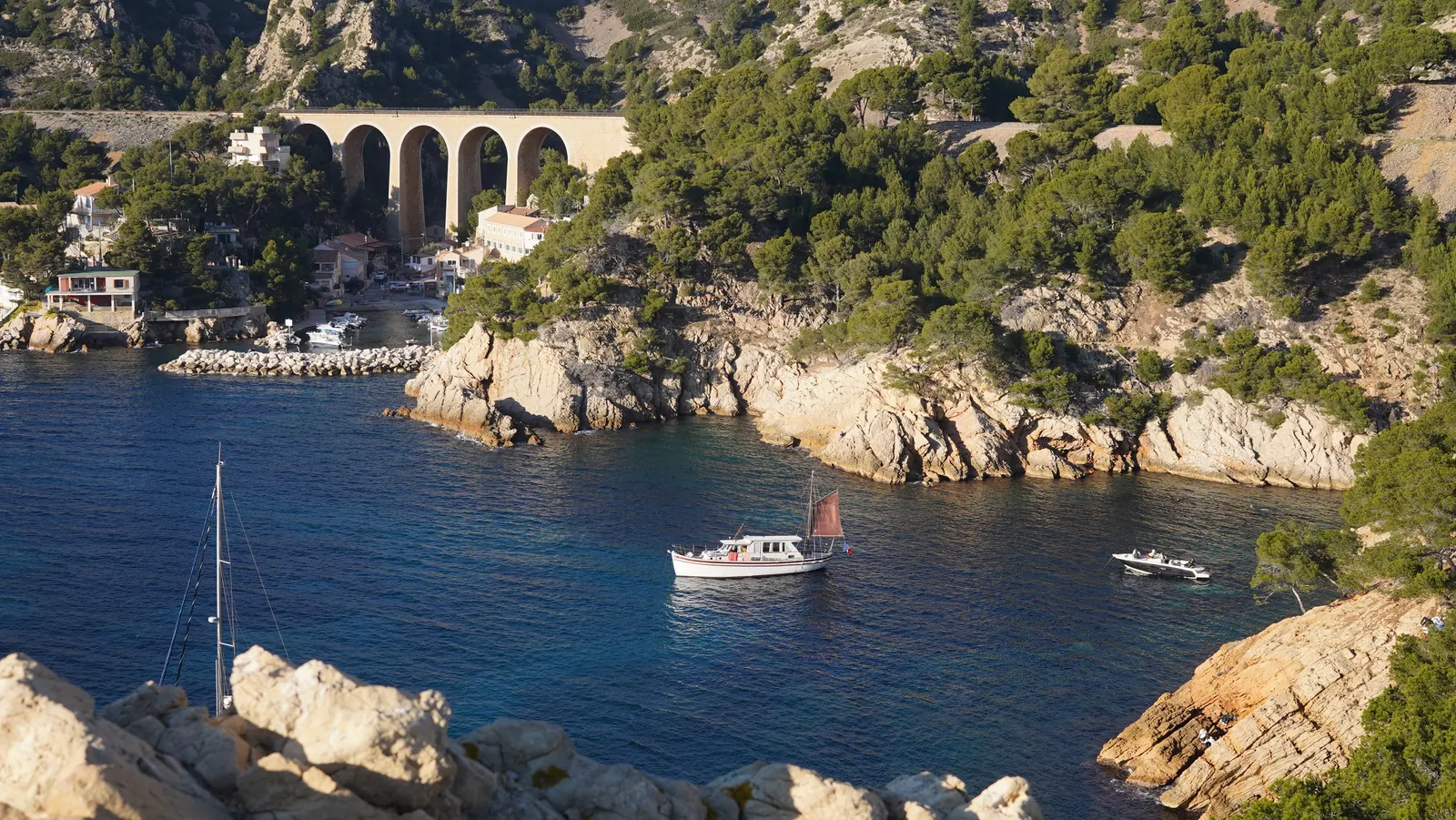
Marseille sits in the middle of Provence’s most varied hundred kilometres: calanques to the east, a wild coast to the west, Aix and the Sainte-Victoire inland, the Rhône cities an hour away by TGV. Almost all of it works without a car. Here are the day trips we actually take, ranked by how much they give back for the time spent.
1. Cassis and the eastern calanques
How: train from Saint-Charles, 25 minutes, then the shuttle bus (or a 30-minute downhill walk) from the station to the port. Trains are hourly or better.
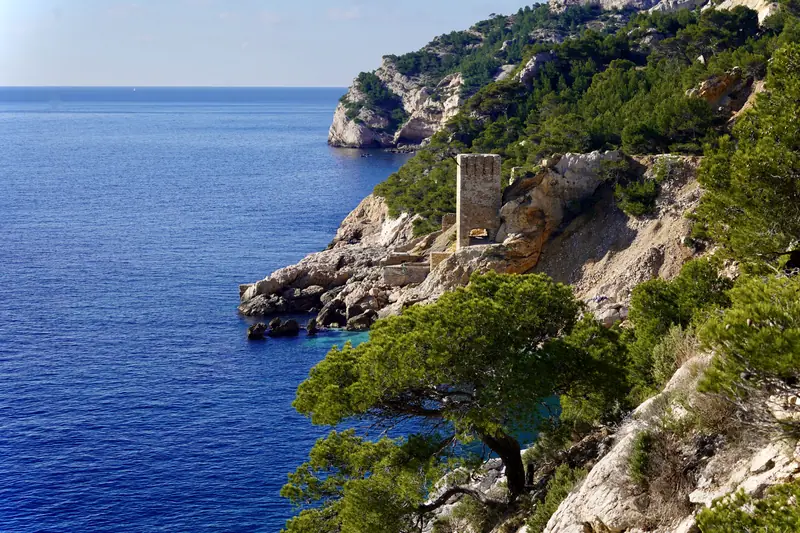
What: a fishing port turned resort, pastel houses, a castle on the cliff, the market on Wednesday and Friday mornings, white wine from the vineyards behind. From the port, shared boats visit three, five or eight calanques in 45 minutes to two hours; on foot, the path from the Presqu’île car park reaches Port-Miou in 20 minutes, Port-Pin in 45 and En-Vau in about 90, with swimming at each. Lunch on the quay; the fish is good and the prices are Cassis prices.
Honest note: in July and August Cassis is full by 11:00 and parking is impossible, which is why you came by train. Go early or in the shoulder season. The calanque rules (fire closures, reservations) are in our Calanques National Park guide.
2. Aix-en-Provence
How: train (35 to 45 minutes) or the express bus from the Saint-Charles bus station (about 35 minutes, every 5 to 10 minutes).
What: the elegant counterpart to Marseille’s grit: the Cours Mirabeau and its fountains, the old town of ochre façades and courtyards, the markets (daily for food, Tuesday, Thursday and Saturday for everything), Cézanne’s studio, the Granet museum, calissons. Half a day is enough for the town; a full day adds the Sainte-Victoire mountain by bus. Aix is where visitors go when Marseille feels too much; we like both.
3. The Côte Bleue by train
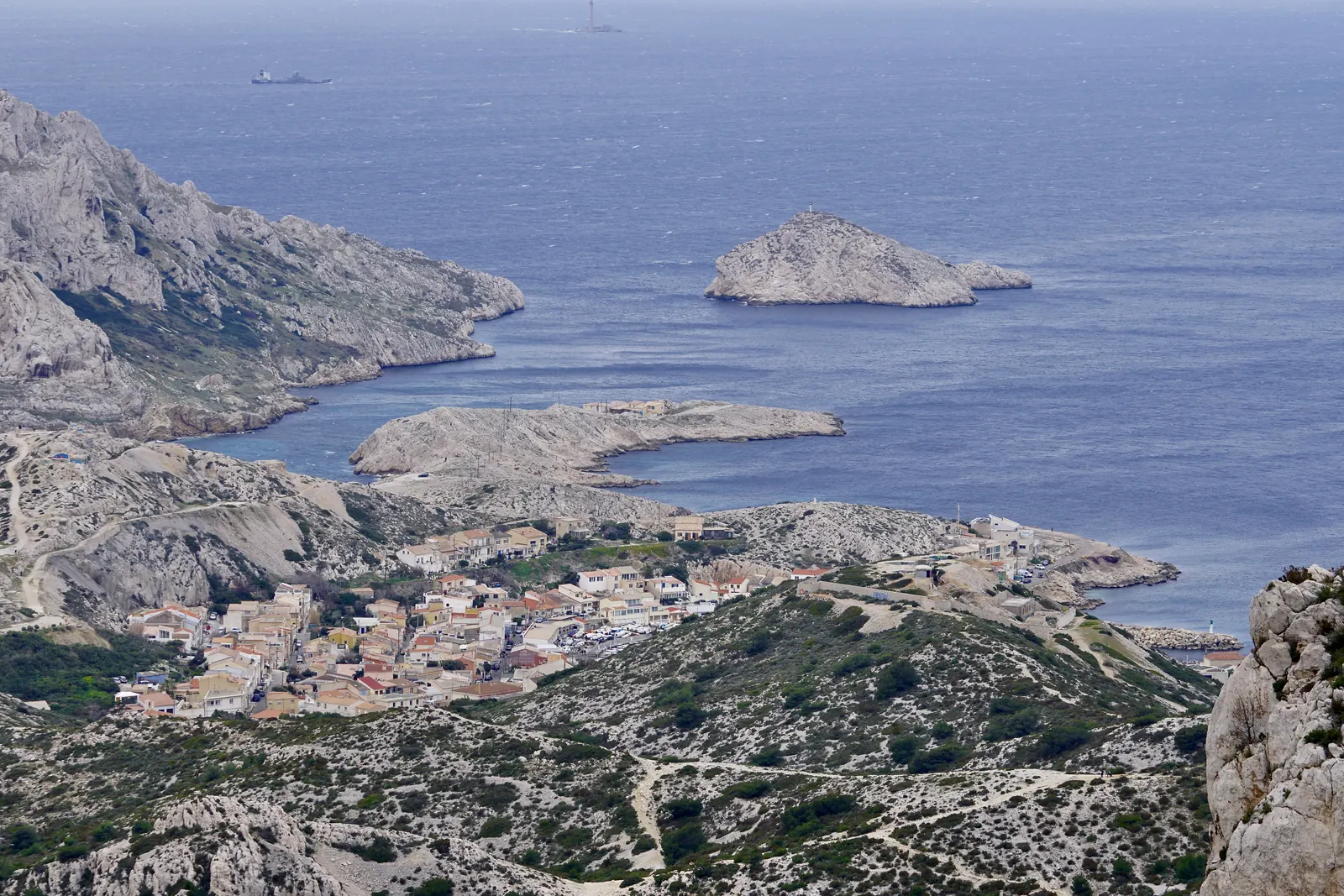
How: the regional line from Saint-Charles to Miramas along the coast, stopping at L’Estaque, Niolon, Ensuès-la-Redonne, Carry-le-Rouet, Sausset-les-Pins. About 30 to 45 minutes.
What: the “Blue Coast” west of the city, less famous than the Calanques and almost empty of tourists: small calanques with railway viaducts crossing them (Niolon, La Vesse, Méjean), fishing hamlets, clear water, a coastal path between the stations. Get off at Niolon, walk down to the cove, swim, walk the path to Ensuès or La Redonne and take the train back. Bring everything; there are one or two restaurants and no shops. This is the day trip locals do on a Sunday.
4. La Ciotat
How: train, 35 minutes, then a shuttle or a 25-minute walk to the port.
What: the town where the Lumière brothers filmed the first movie, a working shipyard turned yacht-refit yard, the Eden cinema (the oldest in the world), the calanque of Figuerolles and the Bec de l’Aigle rock, and the Île Verte reached by a small boat. Quieter and cheaper than Cassis, with sandy beaches.
5. Avignon and Arles by TGV
How: TGV from Saint-Charles to Avignon TGV in 30 minutes (then shuttle to the centre) or Arles in 50 minutes by regional train.
What: Avignon for the Popes’ Palace, the bridge and the ramparts; Arles for the Roman arena and theatre, Van Gogh’s places, the Saturday market and the Luma tower. Both are long days but comfortable by train. Combine with the Camargue only with a car.
6. Bandol and the Var coast
How: train, 45 to 55 minutes.
What: the wine village of Bandol (rosé and the great reds), the boat to the island of Bendor, the beaches. For wine lovers, the domaines are a short taxi ride from the station; taste, do not drive.
With a car, or an organised tour
- The Luberon villages (Gordes, Roussillon, Lourmarin): 1 h 15 to 1 h 30 each way. Beautiful, no public transport worth the name.
- The Camargue (Saintes-Maries-de-la-Mer, the flamingos, Aigues-Mortes): 1 h 30 each way.
- Lavender on the Valensole plateau: late June to mid-July only, 1 h 30 each way.
- Les Baux and Saint-Rémy: 1 h 15.
For these, a small-group minibus tour from Marseille or Aix costs less than a rental car plus fuel plus parking, and includes someone who knows the roads. Filter by language and read the recent reviews.
Honest ranking
| Trip | Time door to door | Effort | Our verdict |
|---|---|---|---|
| Cassis | Full day | Low | Do it, any season |
| Côte Bleue | Half to full day | Low to moderate | The locals’ choice, bring lunch |
| Aix-en-Provence | Half to full day | Low | Pretty, worth half a day |
| La Ciotat | Full day | Low | Underrated |
| Avignon or Arles | Long day | Low | Yes if you have four days or more |
| Luberon, Camargue, lavender | Long day | Car or tour | Beautiful, plan properly |
Deciding whether to base yourself here at all? Read Nice vs Marseille. Only three days? The three-day itinerary fits Cassis in as an option on day three.
Frequently asked questions
What is the best day trip from Marseille?
Cassis. Twenty-five minutes by train, a pretty port, a market on Wednesday and Friday, boats and walks into the eastern calanques, and lunch on the quay. It is the one day trip we recommend to everyone.
Can I do day trips from Marseille without a car?
Yes: Cassis, Aix-en-Provence, the Côte Bleue, La Ciotat, Avignon and Arles are all by train or bus. The Luberon villages, the Camargue and the lavender fields need a car or an organised tour.
How far is Aix-en-Provence from Marseille?
30 km. Trains from Saint-Charles take 35 to 45 minutes, and express buses from the Saint-Charles bus station run every few minutes and take about 35 minutes on the motorway.