Honest takes
Nice vs Marseille: which one should you visit?
Nice or Marseille for your trip to the south of France: beaches, food, prices, safety, sights, day trips, weather, how easy each is in English, and who each city is for. An honest comparison from people who live in one and visit the other.
Five thousand people a month type “Nice vs Marseille” into a search engine, and most of the answers are written by people who have spent a weekend in each. We live in Marseille and go to Nice several times a year, for work and for pleasure. Here is the comparison we give friends, category by category, with the verdict at the end.
The short version
Nice is the polished Riviera: a curved bay with a pebble beach in the centre, a pretty old town, Belle Époque hotels, English spoken everywhere, trains to Monaco, Menton and the perched villages, and prices to match. Marseille is a real city that happens to be on the sea: twice the size, older, louder, cheaper, multicultural, with a national park at the end of the bus line and a food culture Nice cannot match. Nice is easier; Marseille is more interesting. Both are two and a half hours apart by train.
Beaches and sea
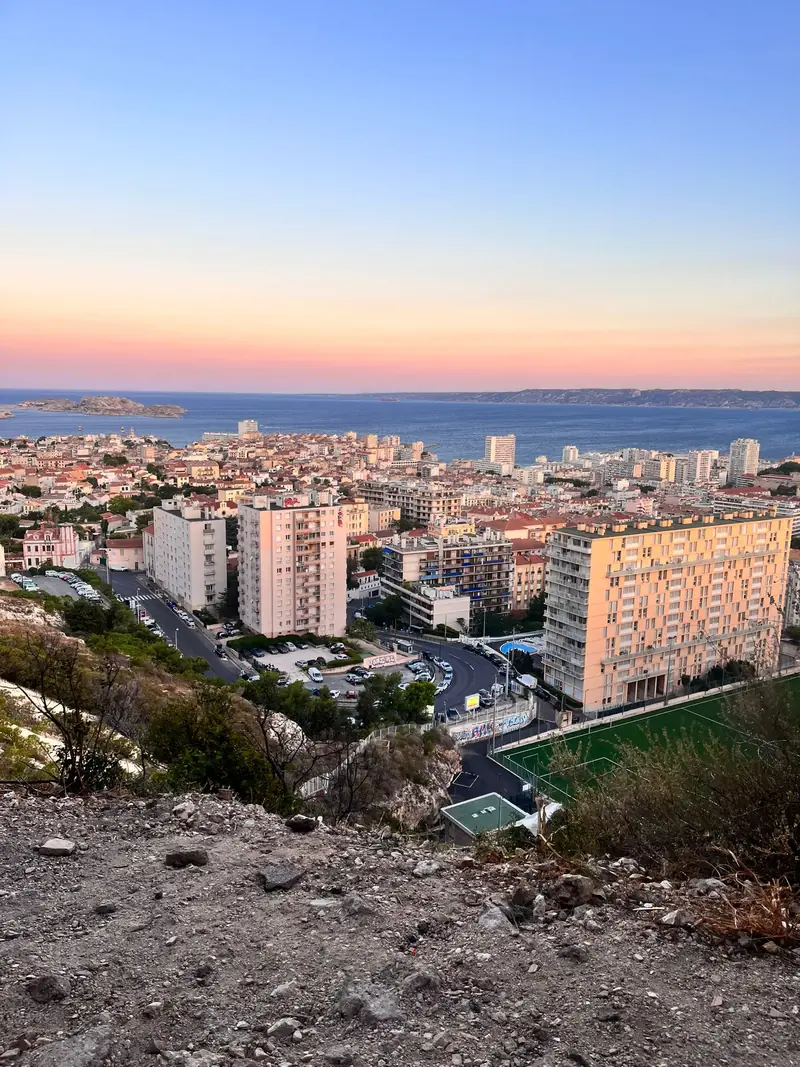
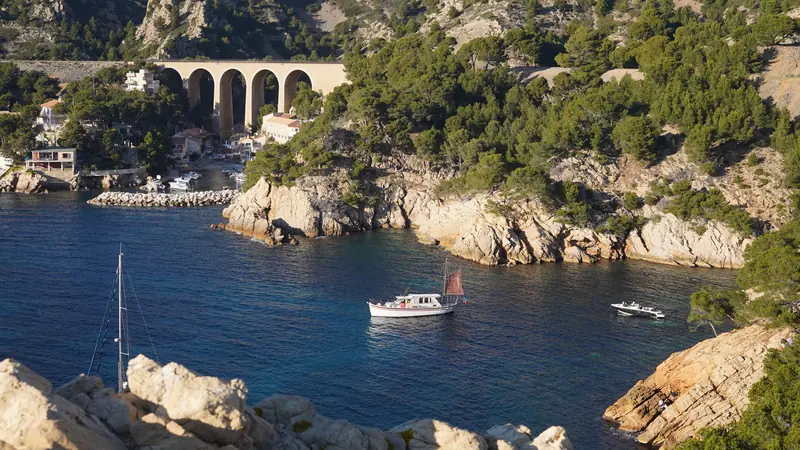
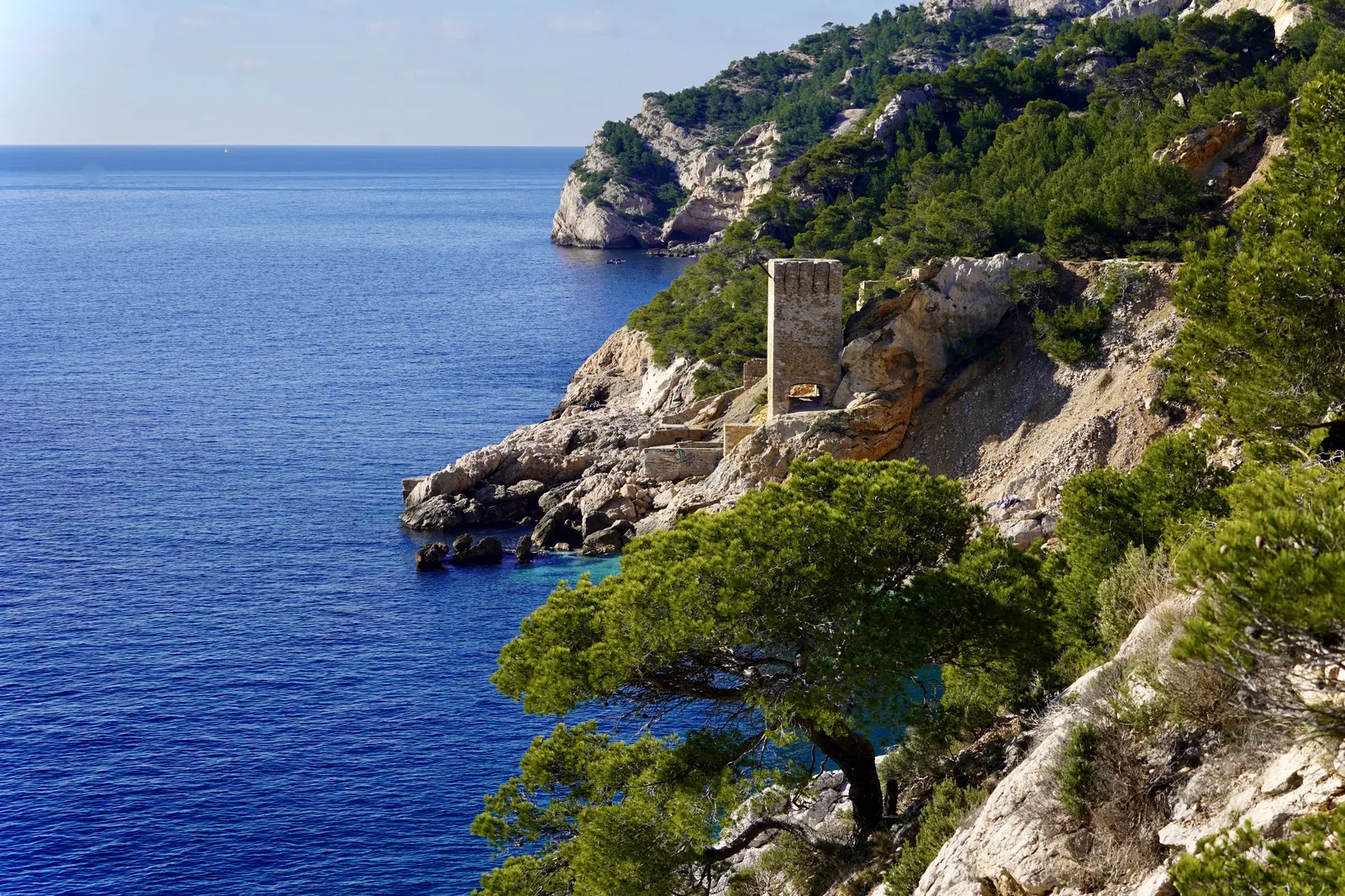
Nice’s beach is in the centre, seven kilometres of pebbles along the Promenade des Anglais, with private clubs and public stretches. Convenient, crowded, urban. Marseille’s beaches are further from the centre (the Prado beaches, 20 minutes by bus) and mostly artificial, but its coastline is in another league: the Corniche, the coves of Malmousque and Les Goudes, the Frioul islands and the Calanques, twenty kilometres of white cliffs and turquoise inlets that start inside the city. For swimming from your hotel: Nice. For a coast that takes your breath away: Marseille.
Sights
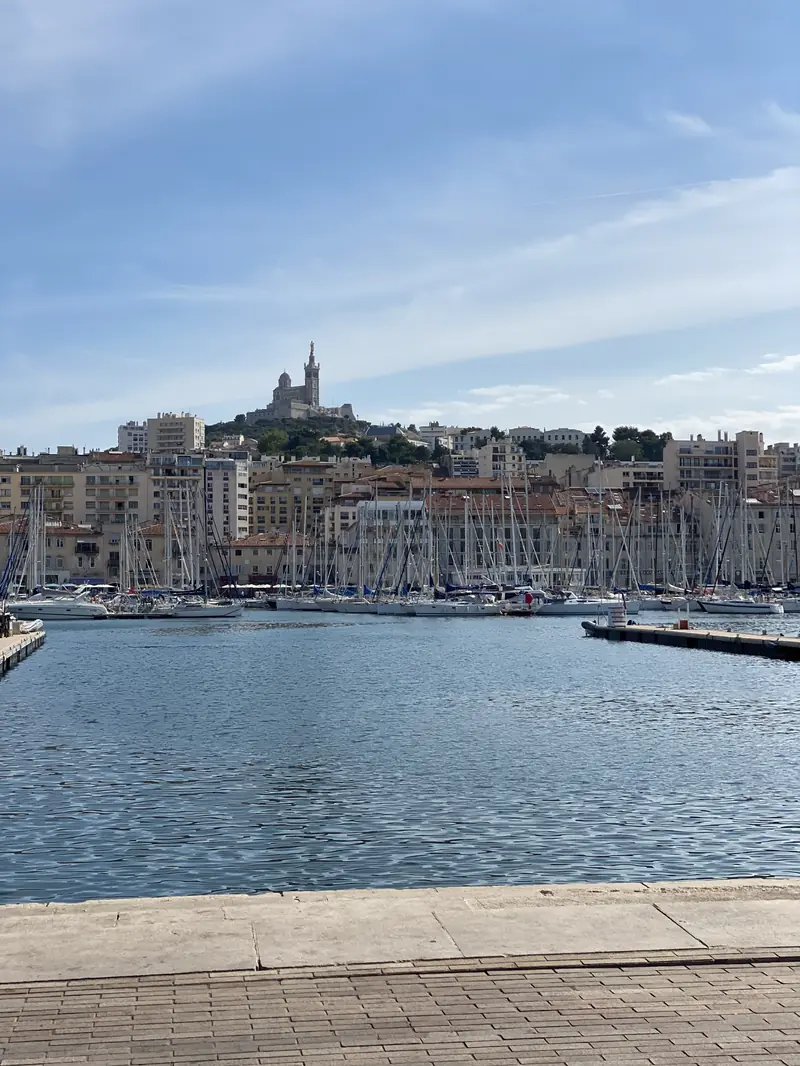
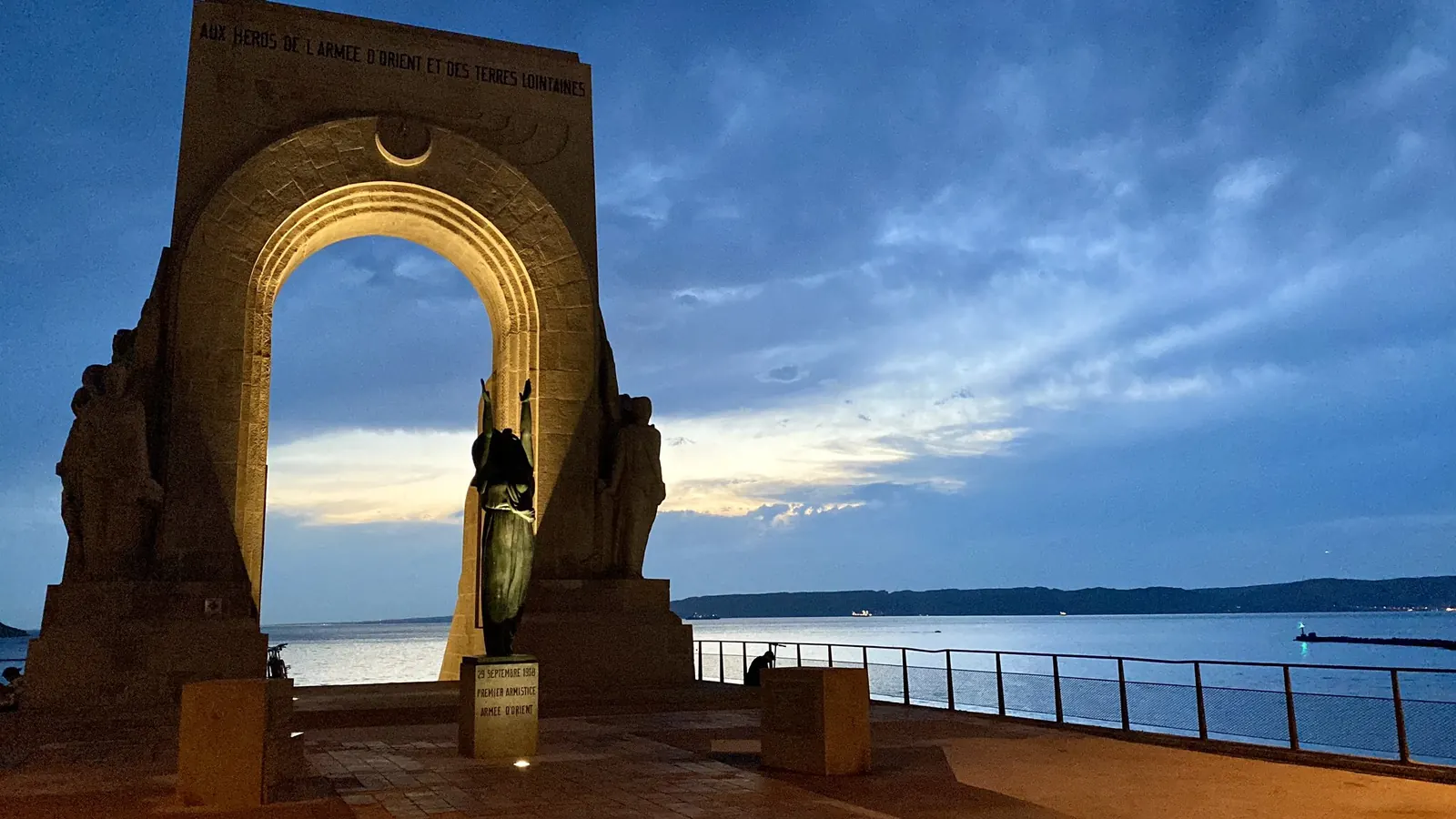
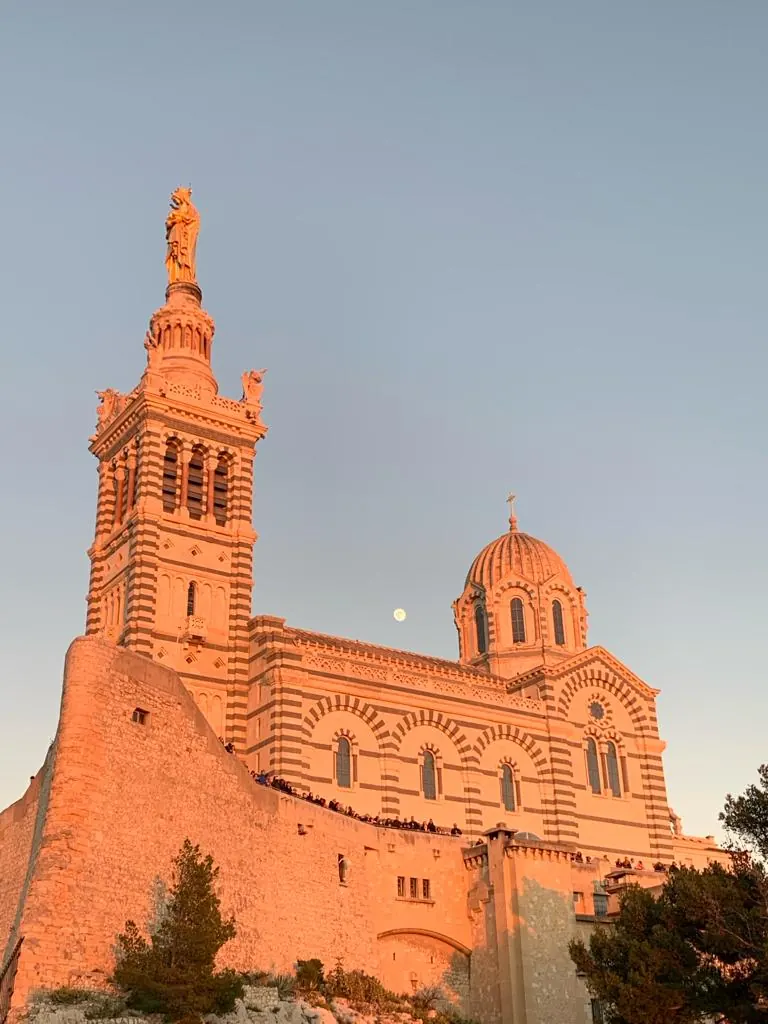
Nice: the old town, the Cours Saleya market, the Castle hill and its view, the Matisse and Chagall museums, Cimiez, the Russian cathedral, the Promenade. A pleasant two days. Marseille: the Vieux-Port, Notre-Dame de la Garde, Le Panier, the MuCEM and the forts, La Major, the Château d’If, the Vallon des Auffes, the Calanques, Cassis, the Vélodrome. Three days is the minimum, and the list is in the must-see sights in Marseille.
Food
Nice has a fine local cuisine (socca, pissaladière, salade niçoise, pan bagnat) and an old town full of restaurants aimed at visitors. Marseille has bouillabaisse, aioli, panisses, the Noailles market, pizza vans, North African pastries, natural-wine bistros on the Cours Julien and fish restaurants in fishing villages. Prices are lower and the quality ceiling higher. Our list of English-speaking restaurants in Marseille explains how to navigate it. Verdict: Marseille, by a distance.
Prices
Marseille is cheaper for everything: hotel rooms, meals, drinks, taxis. A weekend in Nice costs what a long weekend costs in Marseille. Both have the same airport-shuttle logic and the same train fares from Paris.
Safety
Nice feels safer and mostly is, with the usual Riviera pickpocketing. Marseille’s reputation is worse than its reality: the violence in the news is in northern estates that no visitor sees, and the centre and seafront are normal big-city safe. We wrote the long version in Is Marseille safe?.
English and ease
Nice wins outright. Decades of British and American visitors mean English everywhere, menus translated, museums bilingual. Marseille is a French-speaking working city where English is patchy beyond the Vieux-Port; this whole site exists to help with that. If the language barrier worries you, Nice is the gentler start.
Day trips
Nice: Monaco (20 minutes by train), Menton, Antibes, Èze, Saint-Paul-de-Vence, Villefranche, all by public transport, all beautiful, all busy. Marseille: Cassis and the Calanques, Aix-en-Provence, the Côte Bleue by train, Avignon and Arles by TGV, the Camargue, the Luberon with a car. Nice’s are closer; Marseille’s are more varied. See day trips from Marseille.
Weather
Identical climate, with one difference: Marseille gets the mistral, a strong, cold, dry north wind that blows a few days a month and clears the sky. Nice is sheltered from it and slightly wetter in autumn.
Who should choose which
| You | Choose |
|---|---|
| First time in France, want easy, pretty and English-speaking | Nice |
| Want a real city, food, and the Calanques | Marseille |
| Travelling with small children and want the beach at the door | Nice |
| On a budget | Marseille |
| Cruise passenger with one day | Both are cruise ports; Marseille’s centre is further from the terminal but more rewarding: see our cruise route |
| Have a week | Three nights in each, train in between |
Our verdict
If you can only do one and you want a holiday, go to Nice. If you want a city that will surprise you, argue with you and feed you better, come to Marseille. And if someone tells you Marseille is too dangerous to visit, ask them when they were last here. Read Is Marseille worth visiting? for the longer argument.
Frequently asked questions
Is Nice or Marseille better for a first trip to the south of France?
Nice is easier: compact, polished, English everywhere, beaches in the centre, day trips to Monaco and the villages by train. Marseille is bigger, rougher and more rewarding: real city life, the Calanques, better and cheaper food, fewer tourists. Two or three days in each is the best answer.
Which is cheaper, Nice or Marseille?
Marseille, clearly: hotels, restaurants and drinks cost noticeably less, and most of what makes the city special (the Calanques, the Corniche, the markets, the churches) is free.
How far apart are Nice and Marseille?
About 200 km. The train takes 2 h 30 to 2 h 45 along the coast, the car about 2 h 15 on the A8 motorway. Doing both in one trip is easy.