Honest takes
Marseille neighbourhoods guide: where to stay and what each district is like
The districts of Marseille that matter to a visitor, honestly described: Vieux-Port, Le Panier, Noailles, Cours Julien, La Joliette, Endoume and the Corniche, Vallon des Auffes, Prado and Pointe Rouge, Les Goudes. Who should stay where, what it costs, and what to avoid.
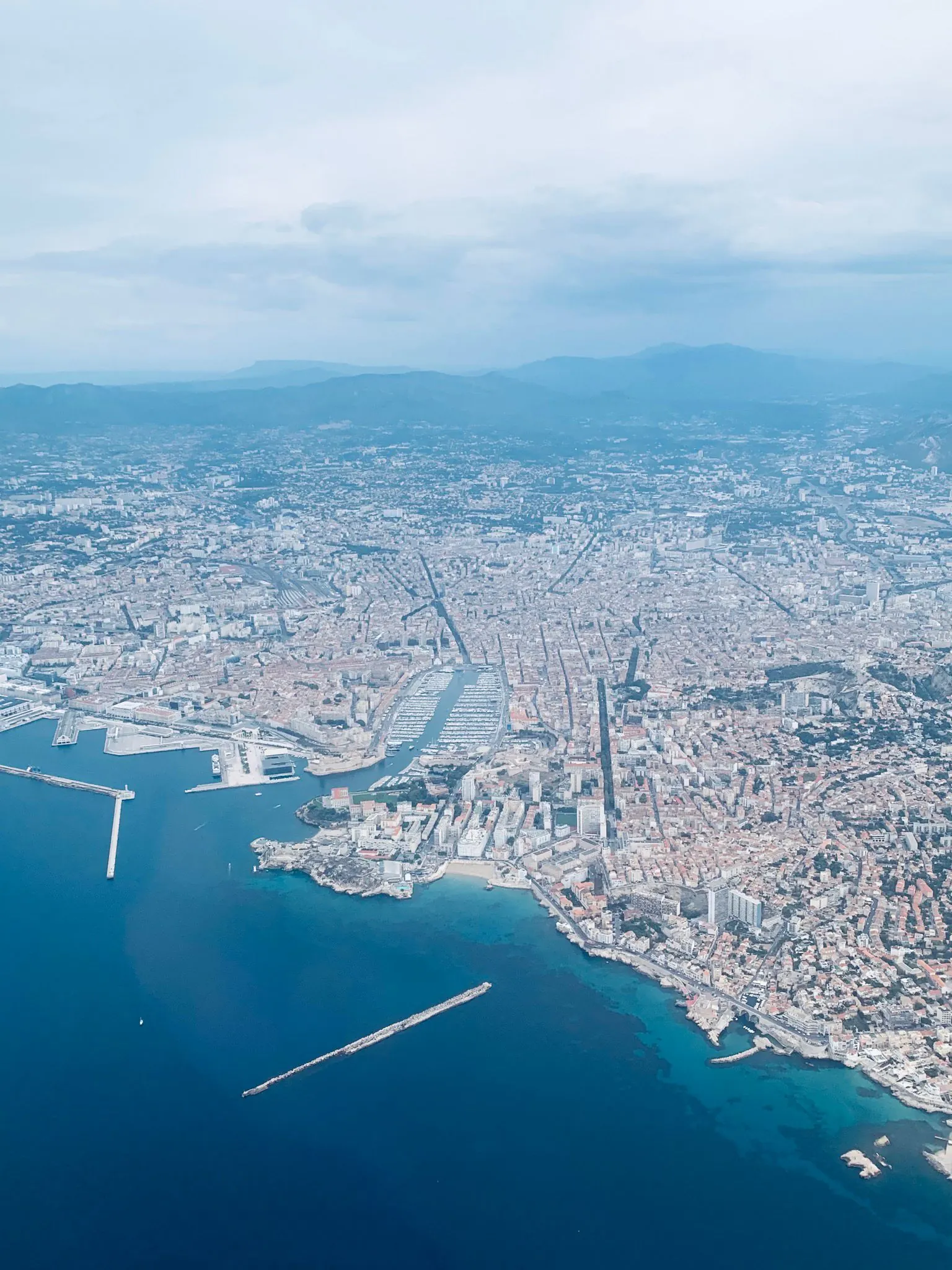
Marseille is divided into sixteen arrondissements spiralling out from the Vieux-Port, and most visitors only ever need five or six neighbourhoods. Here they are, described the way we describe them to friends deciding where to book: what each one feels like, who it suits, what you pay, and what to watch out for.
Vieux-Port (1st and 2nd)
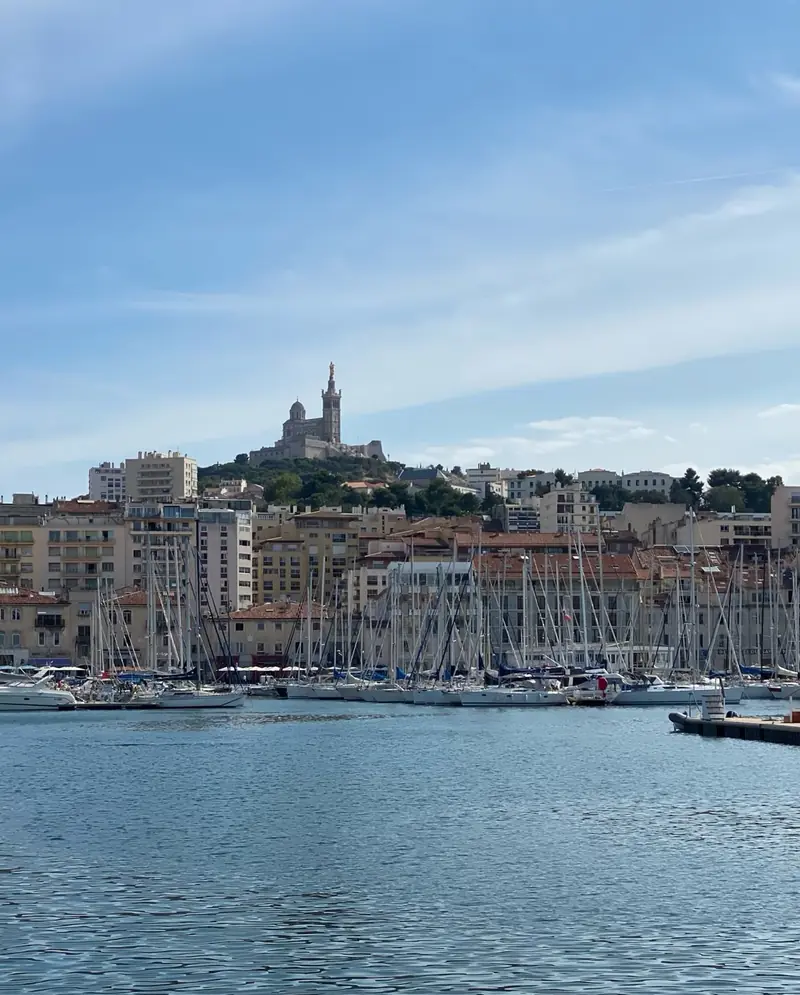
The harbour and the streets around it: the Quai du Port under the Panier, the Quai de Rive Neuve with its bars, the Cours d’Estienne d’Orves and the Place aux Huiles behind. Everything starts here, from the boats to the metro to the fish market. Lively until late, well lit, full of restaurants of uneven quality. Stay here if it is your first visit and you want to walk everywhere. Price: mid to high; the hotels with rooftops charge for the view. Watch: the noise on the quays on summer nights; ask for a room at the back.
Le Panier (2nd)
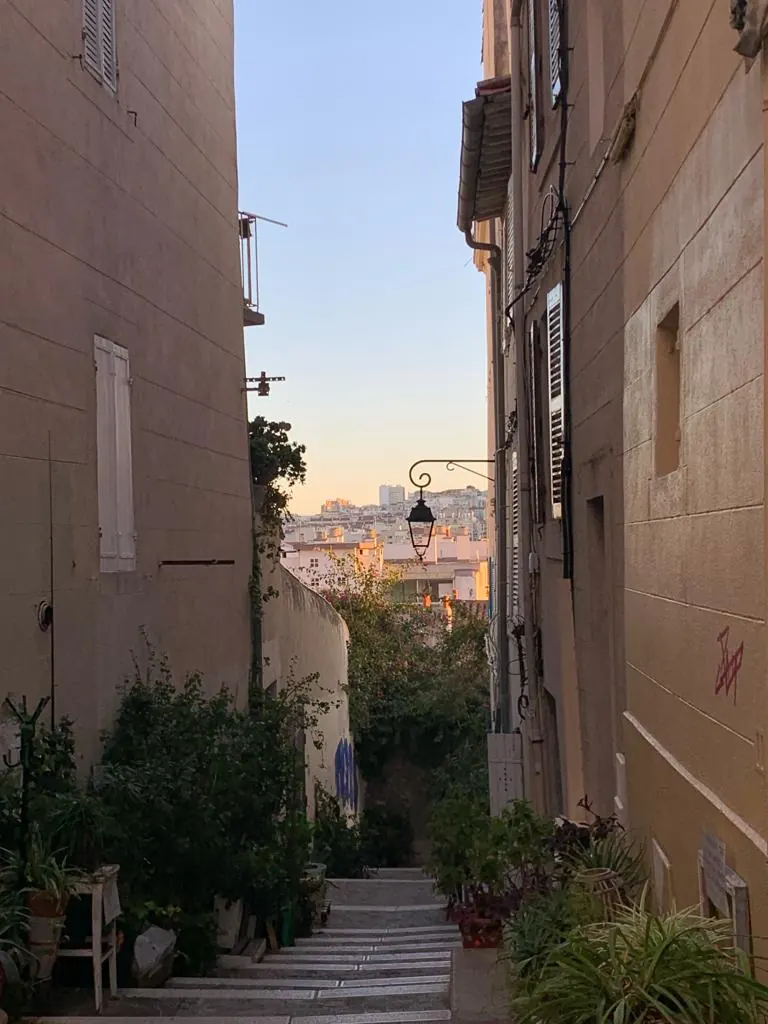
The old town on the hill above the north quay: stairs, lanes, small squares, the Vieille Charité, soap shops, street art, cafés. Village feel inside the city, quiet at night, cobbled and steep. Stay here if you want charm and do not mind stairs with luggage. Price: mid; flats and small hotels rather than chains. Watch: no cars, so taxis drop you at the edge; and the Panier is small enough to be crowded on cruise days.
Noailles and the Canebière (1st)
The market district: spices, fabrics, North African pastries, the most colourful streets in the city and the cheapest lunches. Scruffy, loud, alive. The Canebière itself, the historic main avenue, is grand at the top and rough at the bottom near the port. Stay here if you want the real city and low prices, and you are comfortable in a market district at night. Price: low. Watch: the lower Canebière and Belsunce after midnight are empty rather than dangerous; walk the quays instead.
Cours Julien and La Plaine (6th)
Up the hill from Noailles: street art on every wall, bars, live music, vintage shops, natural-wine bistros, the Saturday market on La Plaine. Young, creative, noisy at weekends. Stay here if you are under forty or want to be, and want evenings out on foot. Price: low to mid, mostly flats. Watch: noise on Friday and Saturday nights.
La Joliette and Euroméditerranée (2nd)
The renovated docks north of the Panier: Les Docks warehouses, the Terrasses du Port shopping and rooftops, the MuCEM and La Major at the southern end, ferry and cruise shuttles, business hotels. Clean, modern, a bit soulless at night. Stay here if you arrive by ferry or cruise, or want a modern chain hotel with a sea view. Price: mid. Watch: restaurants close early; walk 15 minutes to the Vieux-Port for dinner.
Endoume, the Corniche and the Vallon des Auffes (7th)
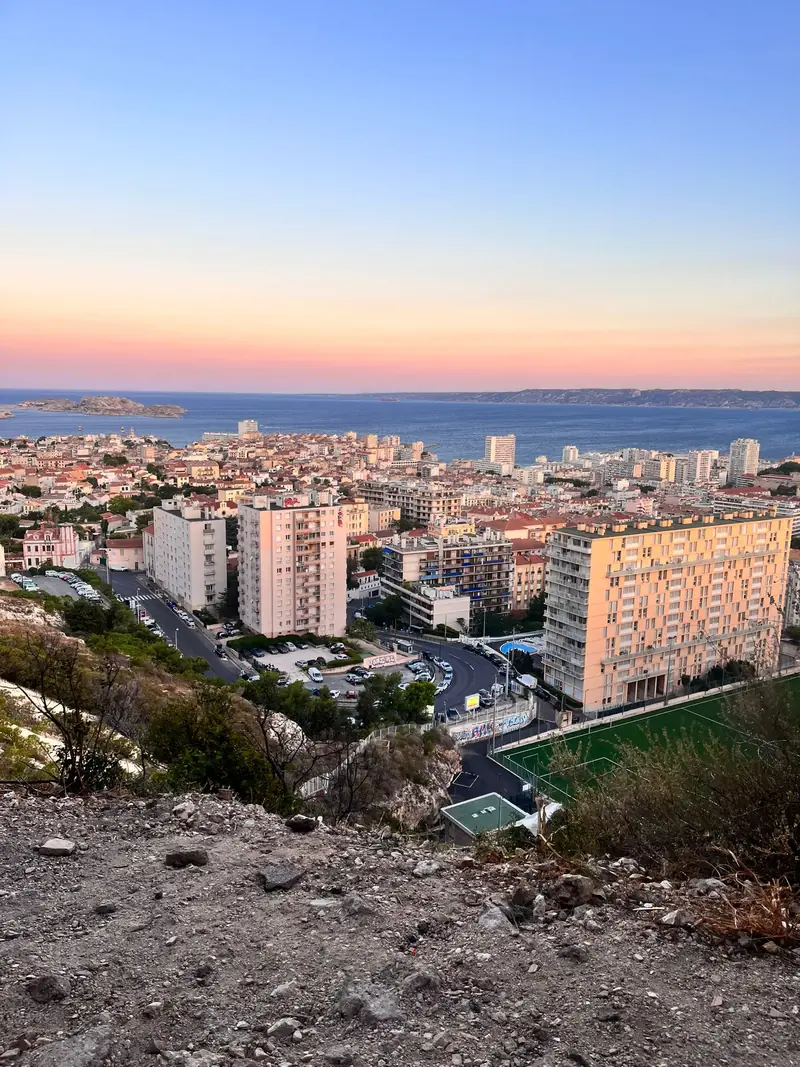
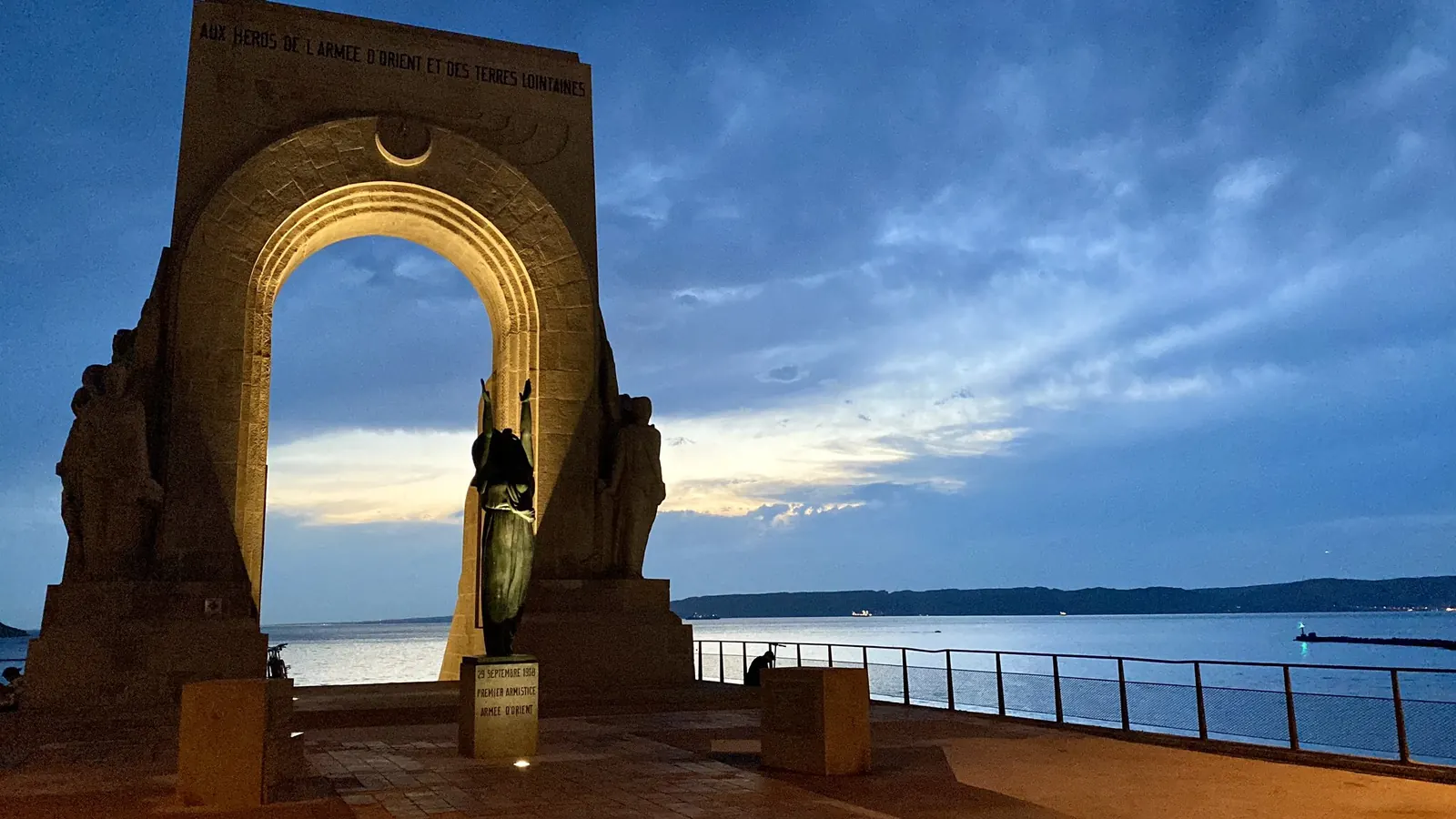
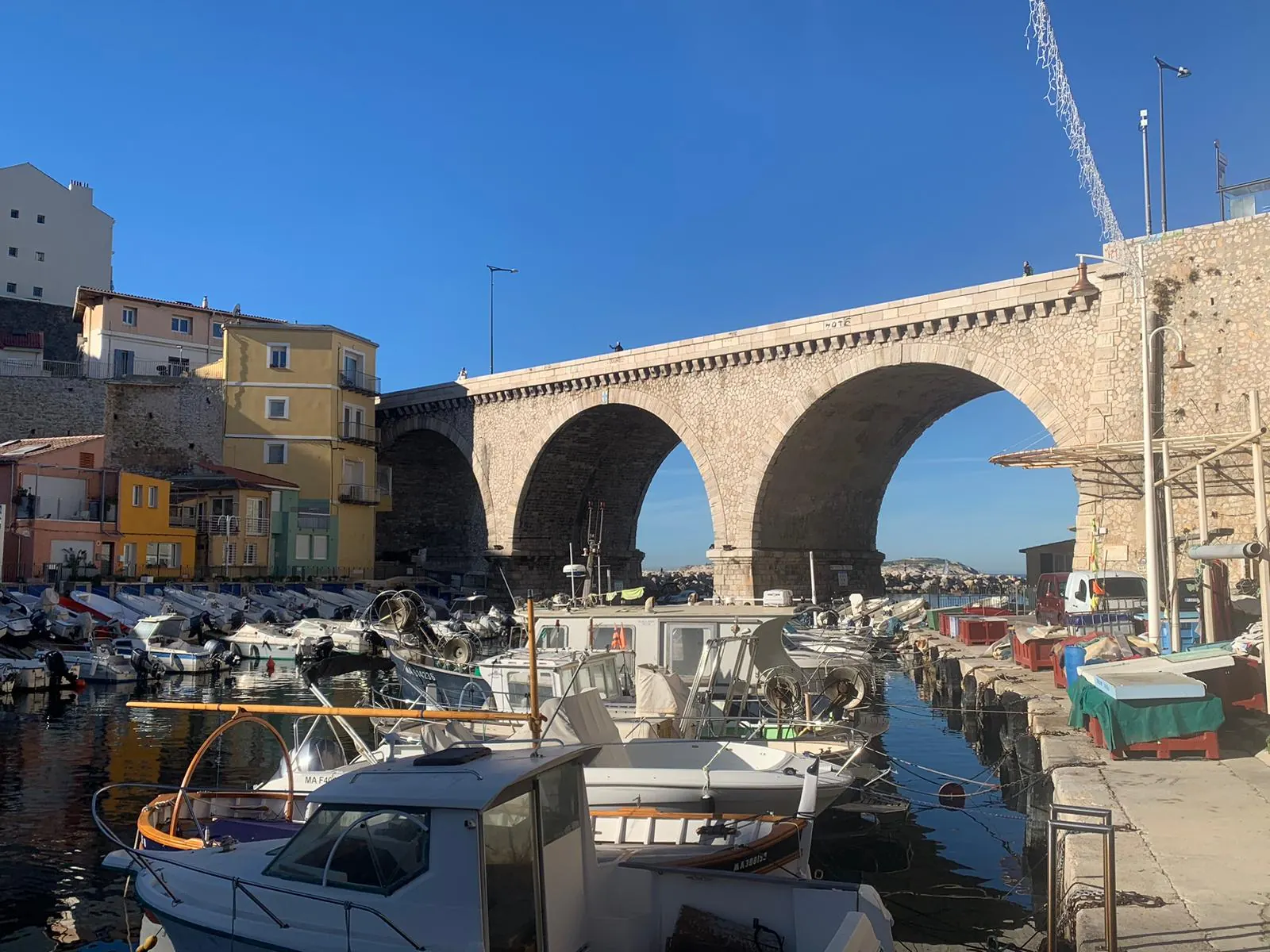
South-west of the Vieux-Port, past the Pharo palace: the Catalans beach, then the Corniche Kennedy along the sea, the fishing harbour of the Vallon des Auffes under its viaduct, the villas and coves of Endoume and Malmousque. Residential, seaside, quiet, the best sunsets in the city. Stay here if you want the sea and calm and do not mind a 15-minute bus (line 83) into the centre. Price: mid to high on the seafront, mid in the streets behind. Watch: few shops, restaurants that close on Sunday evening, and hills.
Prado and Pointe Rouge (8th)
The southern beaches: the artificial Prado beaches with their lawns and sports fields, the Escale Borély restaurants, the Pointe Rouge marina where the Calanques boats leave. Family territory, flat, spacious, far from the historic centre (30 minutes by bus 83 or 19). Stay here if you have children who need a beach every day, or you are here for the boats and the Calanques. Price: mid. Watch: you will spend time on buses to see the old city.
Les Goudes and Callelongue (8th)
The end of the road: two fishing villages at the gate of the Calanques National Park, cabanons, a few restaurants with the Île Maïre in front, the trails starting behind the last house. A handful of guesthouses and flats. Stay here if you are hiking and swimming and want nothing else. Price: mid, limited supply. Watch: one bus (20), no shops, and the summer traffic jam on the single road.
Where not to stay
Not because of danger, but because of atmosphere: the immediate surroundings of Saint-Charles station, Belsunce and the lower Canebière are unpleasant at night and offer nothing a visitor wants. The northern arrondissements (13th to 16th) that appear in the news have no hotels you would find and no reason to go. The full picture is in Is Marseille safe?.
Quick chooser
| You | Stay in |
|---|---|
| First visit, walk everywhere | Vieux-Port |
| Charm and quiet | Le Panier |
| Budget and real life | Noailles, Cours Julien |
| Sea and sunsets | Corniche, Endoume, Vallon des Auffes |
| Kids and beach | Prado |
| Cruise or ferry arrival | La Joliette |
| Hiking and swimming | Les Goudes |
Once you have chosen, our three-day itinerary tells you what to do from there, and how to get around Marseille which bus to take.
Frequently asked questions
Where is the best area to stay in Marseille for a first visit?
Around the Vieux-Port, between the harbour and the Cours d'Estienne d'Orves, or in the lower Panier. Everything is on foot, the boats leave from your doorstep, and it is lively but safe at night.
Which areas of Marseille should tourists avoid?
Avoid staying around Saint-Charles station, Belsunce and the lower Canebière, not because they are dangerous by day but because they are unpleasant at night. The northern districts in the news are far from any hotel a visitor would consider.
Is the Corniche a good place to stay?
Yes, if you want the sea more than the centre: seaside hotels, coves to swim from, the Vallon des Auffes for dinner, and bus 83 into the Vieux-Port in 15 minutes. Quieter, more expensive, magnificent at sunset.