Plan your trip
How to get around Marseille: metro, tram, bus, bike, boat and taxi
A resident's guide to moving around Marseille: the RTM metro, trams and buses, which tickets to buy, the Le Vélo bike share, the ferry boat across the Vieux-Port, taxis, ride-hailing and when walking is simply better.
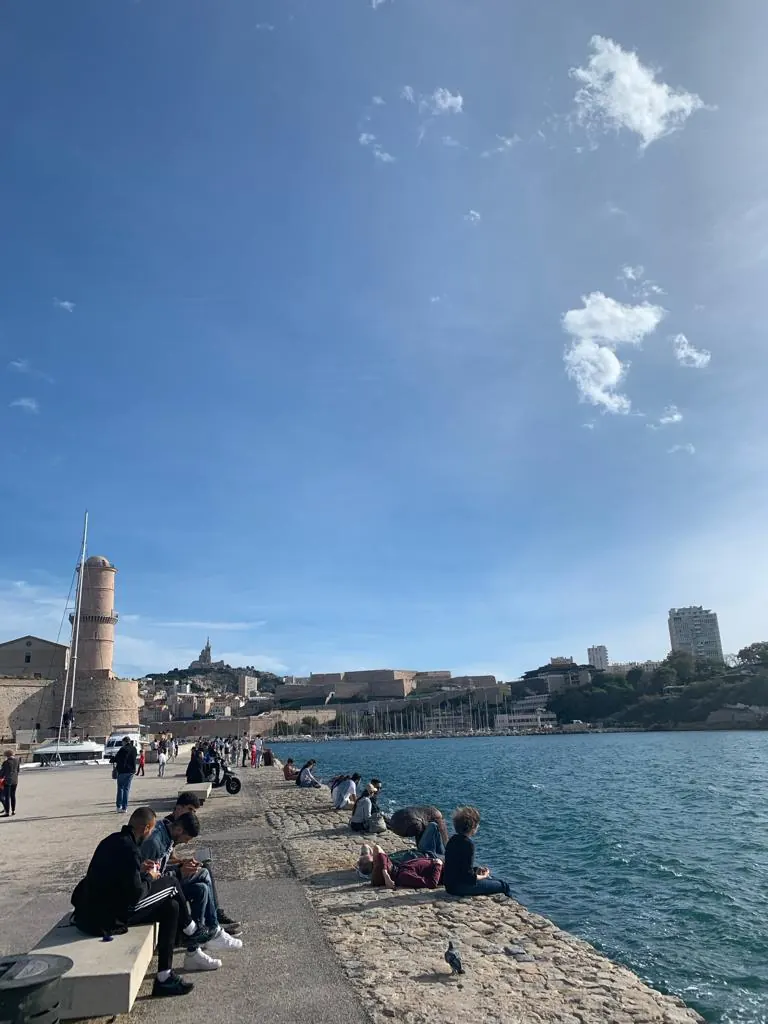
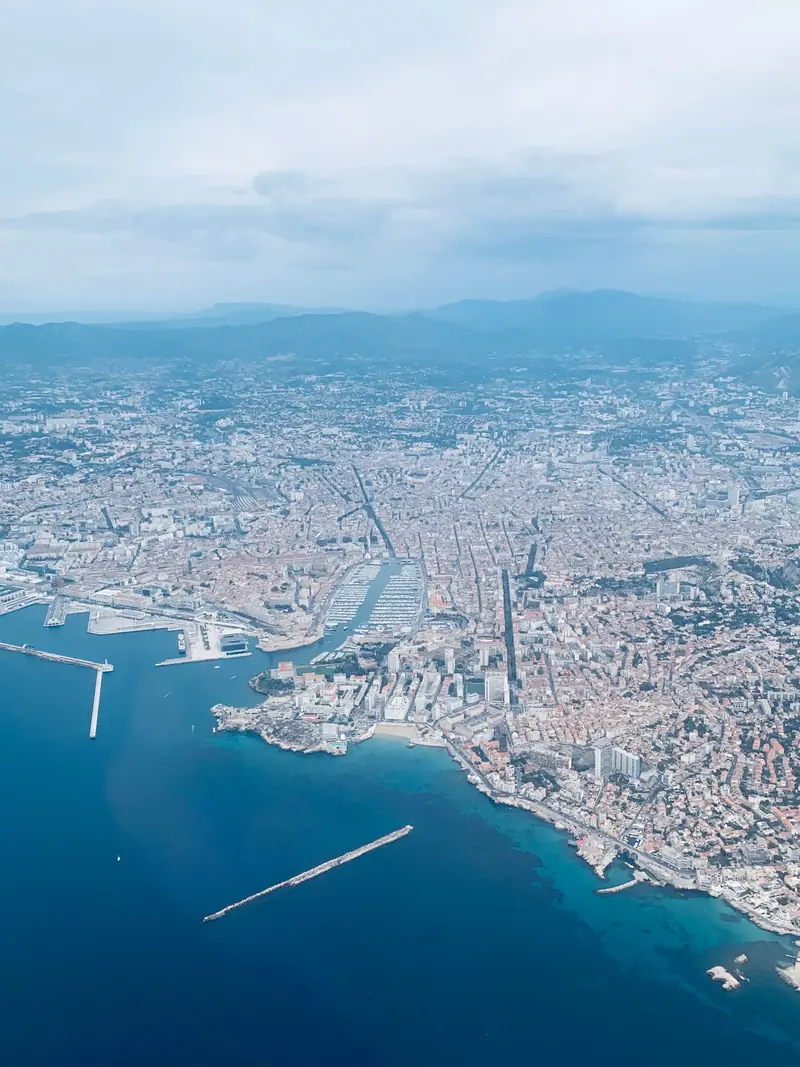
From the lively waterfront and the old town on its hill to the beaches of the Prado and the calanques at the end of the road, Marseille is a big city: about 240 square kilometres, more than twice the area of Paris, with 57 km of coastline. The good news is that everything visitors come for is either in the compact historic centre or along one seaside road. This guide explains how residents move around, so you can do the same.
1. Public transport: metro, tram and bus (RTM)
The network is run by the RTM, the Régie des transports métropolitains. It consists of two metro lines, three tram lines and around a hundred bus routes, all using the same tickets.
Metro. Line 1 (blue) runs from La Rose in the north-east through Saint-Charles and the Vieux-Port to La Fourragère; line 2 (red) runs north to south from Gèze to Sainte-Marguerite Dromel, via Saint-Charles, Noailles and Castellane. The two lines cross at Saint-Charles and Castellane. Useful stops for visitors: Vieux-Port (the harbour), Joliette (ferries, Les Docks, La Major), Noailles (the market), Notre-Dame du Mont and Castellane (the Prado axis). Trains run from about 5 am to around 1 am.
Tram. Three lines (T1, T2, T3) with modern, step-free trams. T2 and T3 serve the Joliette docks and the Arenc ferry terminal; T1 and T2 run along the Canebière and up to the Blancarde station. They are the pleasant way to reach the Cours Julien and Longchamp areas.
Bus. Buses fill in everywhere the rails do not go. The ones you will actually use:
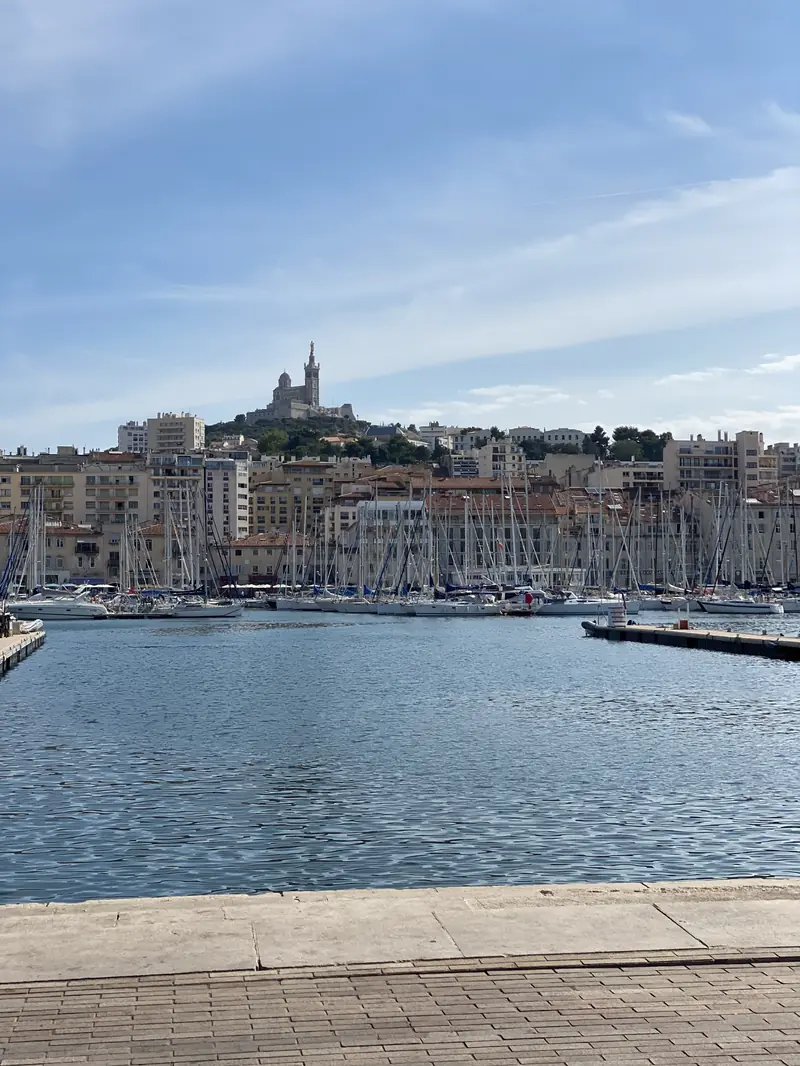
- 60 from the Vieux-Port up to Notre-Dame de la Garde. Saves you a stiff 30-minute climb.
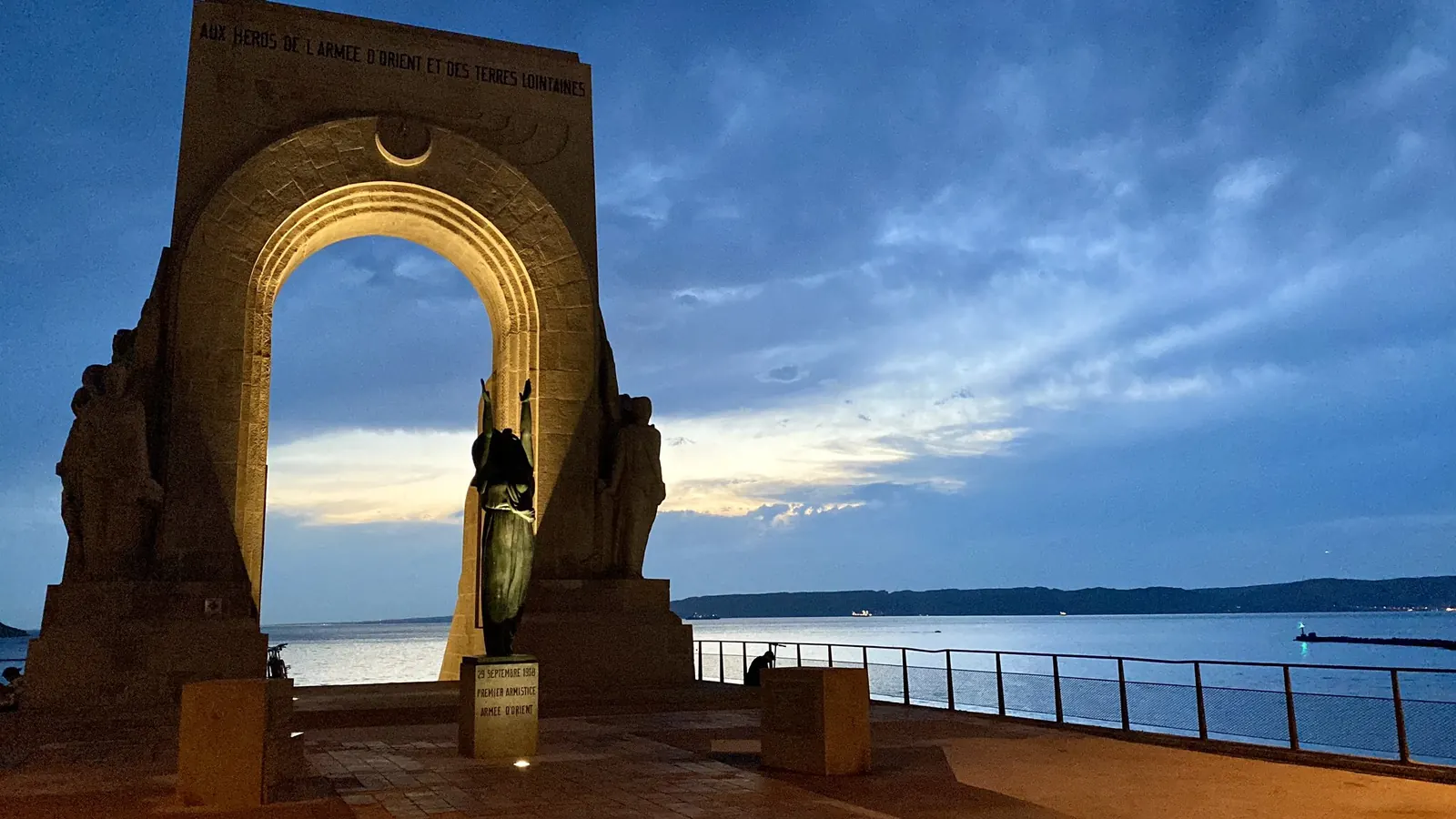
- 83 along the Corniche Kennedy from the Vieux-Port to the Prado beaches: the most scenic bus route in France for the price of a single ticket.
- 19 from the Prado roundabout to La Madrague de Montredon and, beyond, 20 to Les Goudes and Callelongue.
- 82 and 82S from the Vieux-Port to the Pharo and the Catalans beach.
Timetables are on the RTM website and in the RTM app; Google Maps and Citymapper work well here too.
Tickets and passes
At the time of writing a single ticket (valid one hour with transfers) costs a little under two euros from the machines, slightly more when bought from a bus driver. Ten-trip carnets, 24-hour and 72-hour passes exist and are sold at metro and tram stations, RTM shops and many newsagents (look for the RTM sign). Contactless payment directly at the validators has been rolled out on the network, which spares you the machines.
The Marseille City Pass (24, 48 or 72 hours) combines unlimited public transport with free entry to the main museums, the boat trip to the Château d’If and a guided walk from the tourist office. It pays off if you plan two museums and the island in one day.
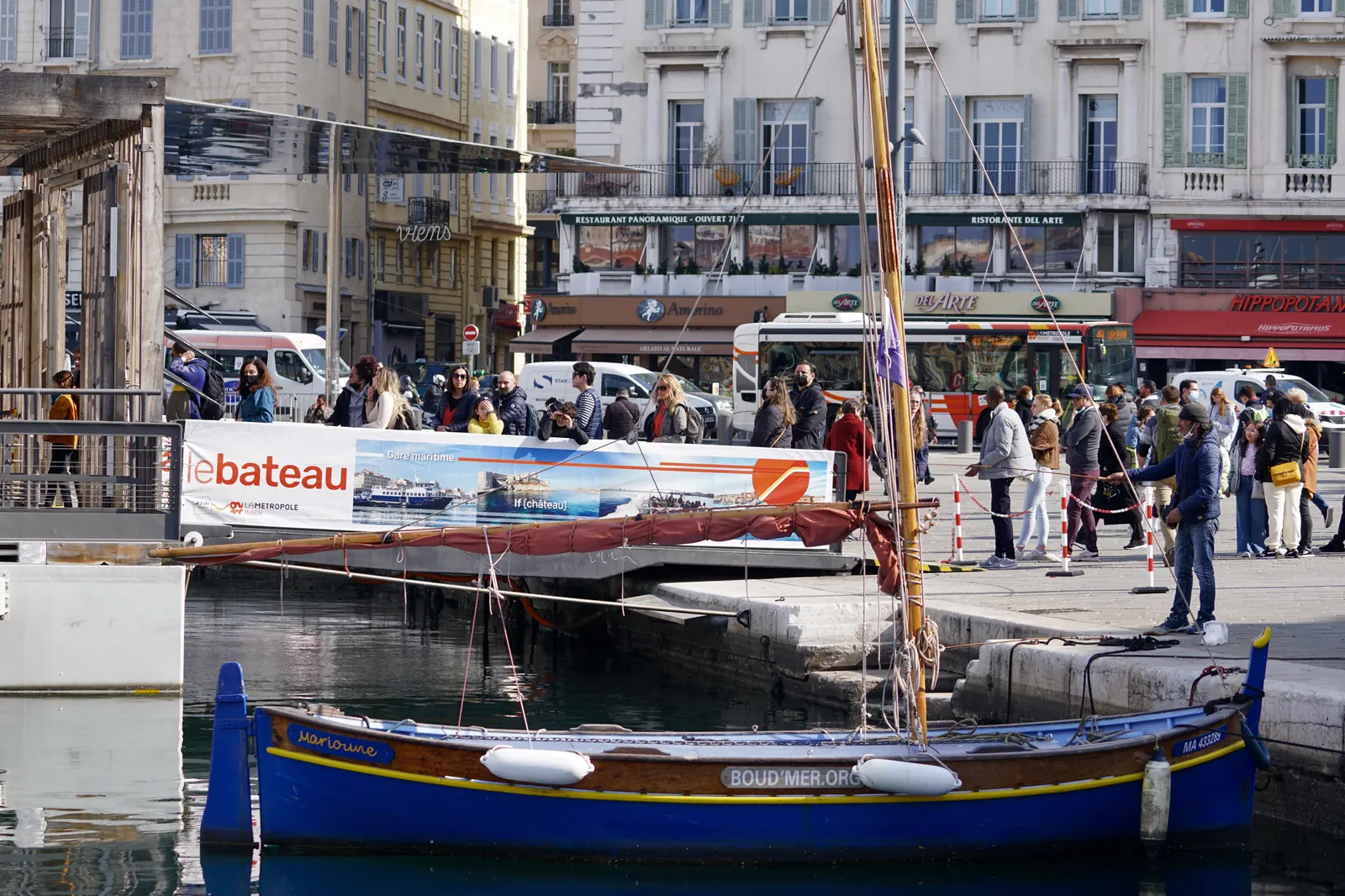
2. The ferry boat and the sea shuttles
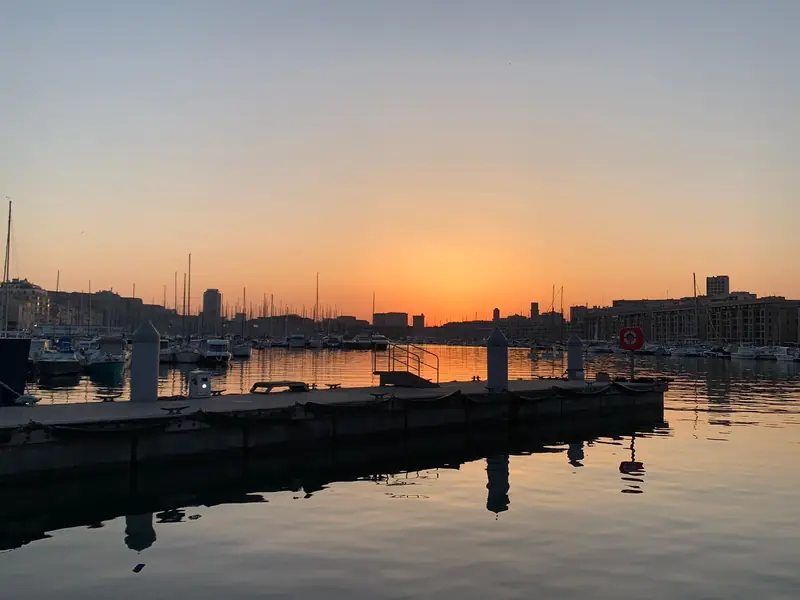
Marcel Pagnol made it famous, and it still runs: the ferry boat crosses the Vieux-Port between the Hôtel de Ville quay and the Place aux Huiles in about three minutes. It is free, electric, and one of the small pleasures of the city.
From the same harbour, Frioul If Express boats leave for the Château d’If and the Frioul islands (20 to 35 minutes), and in summer the city’s sea shuttles (navettes maritimes) run to the Pointe Rouge and Les Goudes, an excellent way of reaching the calanques without a car.
3. Bicycle
Marseille is hilly and its drivers are impatient, but cycling has become a real option along the sea. Le Vélo, the city’s bike-share scheme, has hundreds of stations, including the whole length of the Corniche to the Prado beaches. You register online or through the app, and short rides are very cheap. Stations accept chip cards only, and a deposit is blocked on your card during the ride.
For a longer excursion, an electric bike flattens the Corniche and the climb to Les Goudes. Several rental shops near the Vieux-Port and the Prado rent e-bikes by the half day; the seaside road to Les Goudes is the ride to do.
4. Trains within the city
Besides Saint-Charles, three smaller stations are useful: Blancarde (east, on tram lines), La Pomme (south-east) and Arenc-Euroméditerranée (north, near the ferries). TER regional trains also connect Marseille to Cassis (about 25 minutes, then a shuttle bus down to the port), L’Estaque and the Côte Bleue stations, where the railway viaducts cross the calanques.
5. Taxi and ride-hailing
Taxis carry a roof sign and a meter; ranks are at Saint-Charles, the Vieux-Port, the Joliette and the Prado. You can hail one in the street when no rank is within 50 m. Fares start with a pick-up charge and a per-kilometre rate that rises at night and on Sundays. A central booking number connects all the ranks, and most drivers understand basic English. Ride-hailing apps work throughout the city and are often a little cheaper for short hops.
6. On foot
The best way to see the centre. The Vieux-Port, Le Panier, La Major, the MuCEM, the Cours Julien and the Noailles market are all within a 15 to 20 minute walk of each other. Two things to know: the city is built on hills, so stairs appear where you least expect them, and the Panier’s lanes are cobbled. Comfortable shoes, water and sun protection are not optional here.
For a walk with a guide who speaks your language, read how to find an English-speaking guide in Marseille. And before you set off, read what to know before you come.
Frequently asked questions
Is there a tourist pass for public transport in Marseille?
Yes. RTM sells 24-hour and 72-hour passes valid on metro, tram and bus. The Marseille City Pass sold by the tourist office adds free entry to museums, the boat to the Château d'If and a guided tour.
Do the metro and buses run late at night?
The metro runs from about 5 am to around 1 am (until 0:30 on some days), trams on a similar timetable. Night buses cover the main axes after that, and taxis are easy to find at the Vieux-Port and Saint-Charles.
Is Marseille a walkable city?
The historic centre is compact: Vieux-Port, Le Panier, La Major, the MuCEM and Noailles are all within 15 minutes of each other on foot. The climb to Notre-Dame de la Garde and the seaside districts along the Corniche are where public transport or a bike helps.