Honest takes
Is Marseille safe? An honest answer from people who live here
Marseille's reputation versus what visitors actually experience: which areas are fine day and night, where pickpockets work, the neighbourhoods that make the news and why you will never see them, safety for women and solo travellers, and the ten habits that matter.
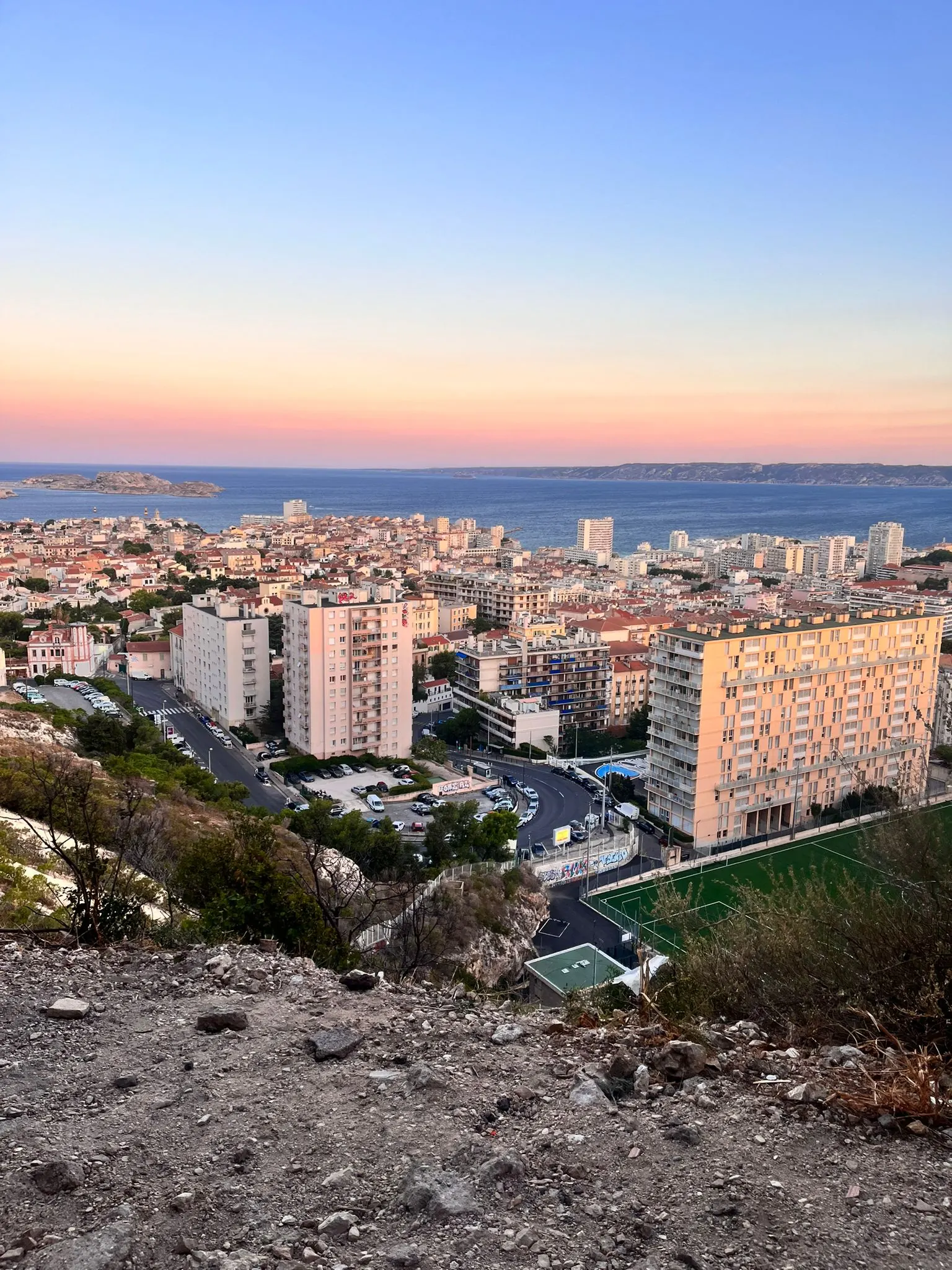
Marseille has the worst reputation of any big French city, and the gap between that reputation and the experience of the people who visit is enormous. We live here, walk the city every day, and this is the honest picture: what is true, what is not, where the risk actually is, and the small habits that remove most of it.
What the reputation is made of
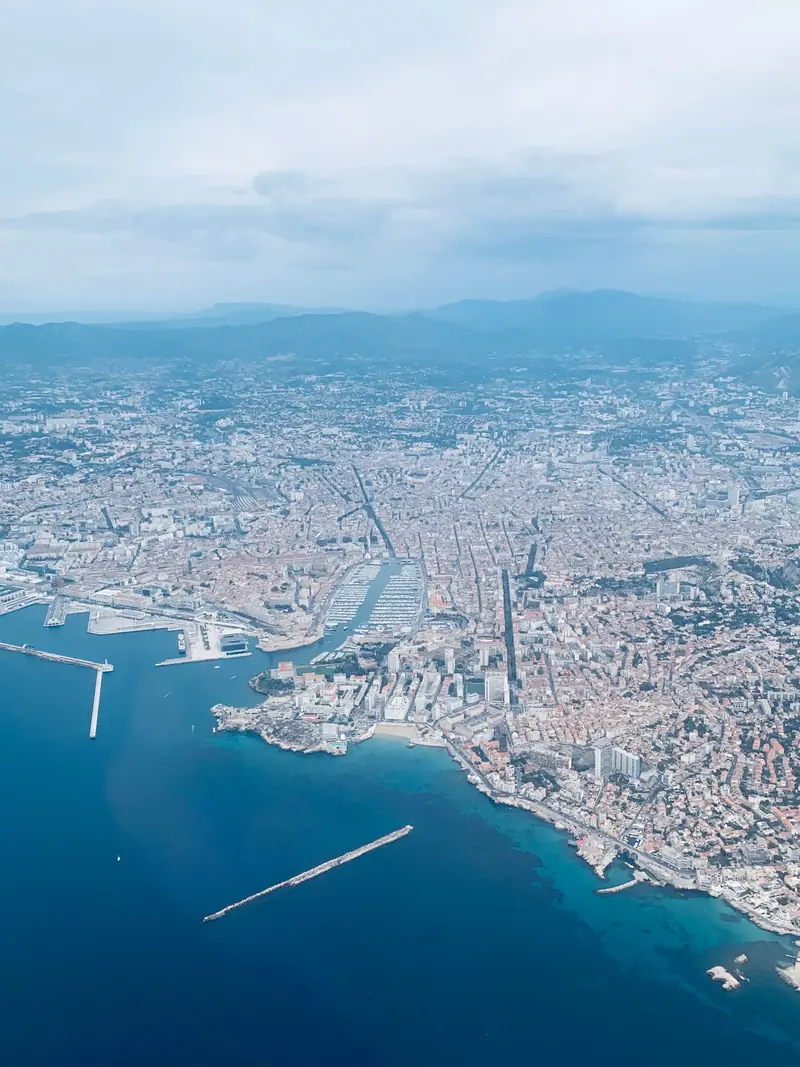
Two things. First, drug-trade violence in the northern districts (the quartiers nord), where rival networks fight over points of sale. It is real, it is tragic, and it is measured in the French press in numbers that make headlines. It happens in housing estates that are five to ten kilometres from the Vieux-Port, on no tourist route, with no reason for a visitor to be there. Second, a century-old image of Marseille as a rough port, fed by films, by Parisian condescension and by the city’s own habit of talking about itself loudly. Neither has much to do with your holiday.
What actually happens to visitors
The same things that happen in every Mediterranean city: pickpocketing in crowds and on public transport, phone snatching from café tables and from hands at busy crossings, car break-ins when bags are left visible, and the occasional scam around the station. Violent crime against tourists is rare. The areas visitors use, the Vieux-Port, Le Panier, Noailles, the Cours Julien, the Corniche, the Prado, the Calanques, are busy, well lit and normal.
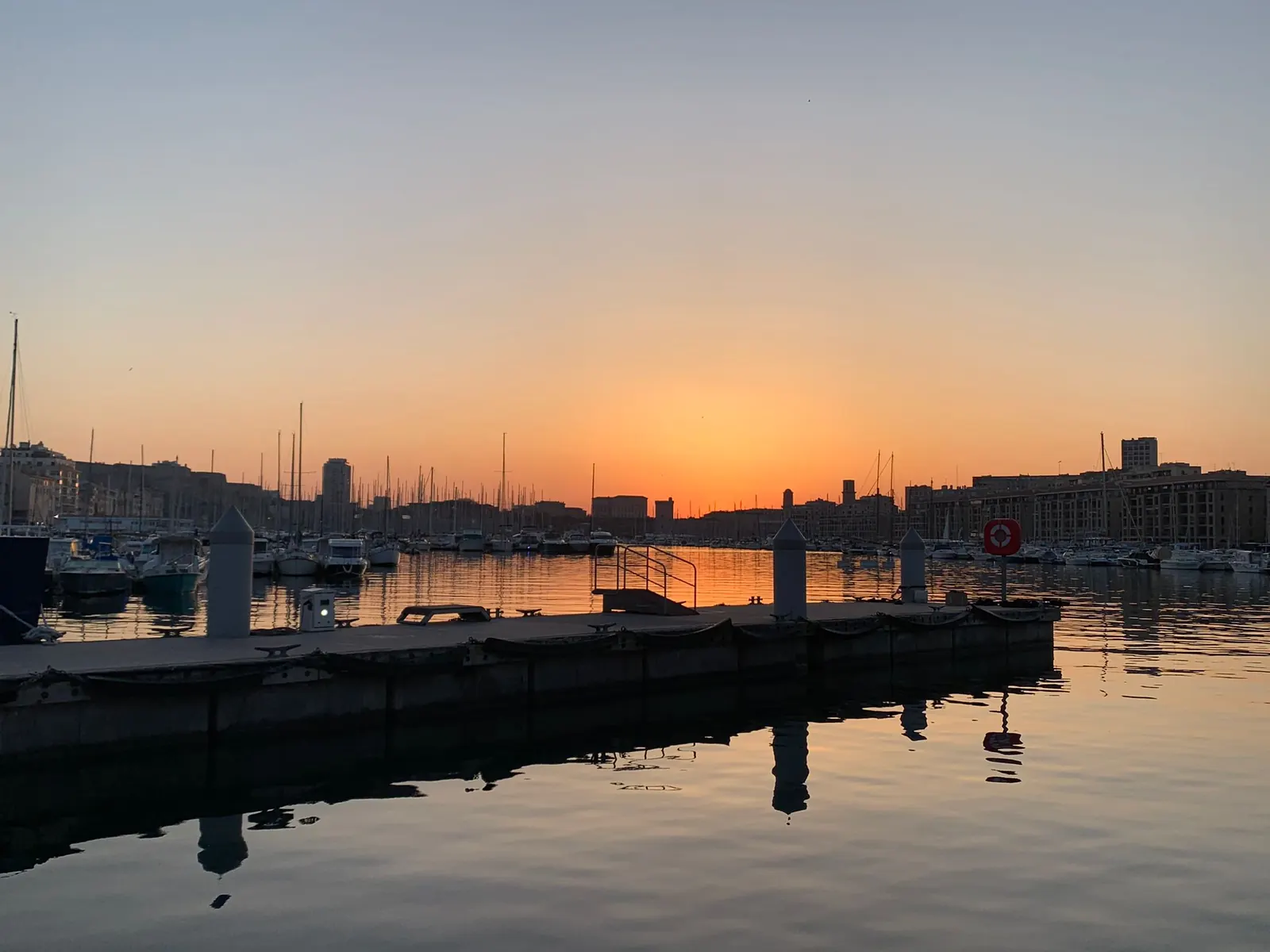
Area by area, honestly
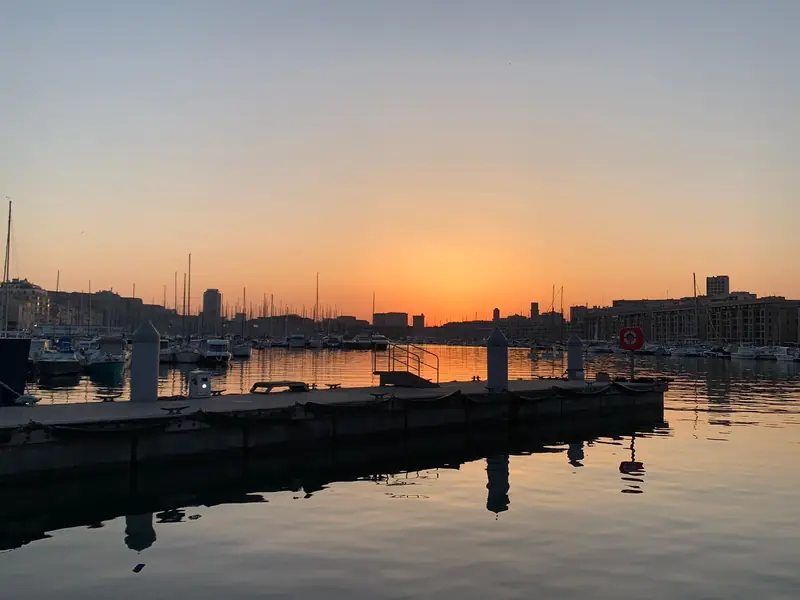
- Vieux-Port and Le Panier. Fine day and night. Watch phones and bags in the evening crowds on the quays.
- Noailles and the Canebière. The market is safe and wonderful by day; the lower Canebière and Belsunce feel scruffy and can be intimidating after dark, mostly because of the empty streets rather than any threat. Walk the quays instead.
- Saint-Charles station and the Porte d’Aix. Normal by day; avoid hanging around at night, and take a taxi from the rank rather than walking down with luggage after midnight.
- Cours Julien and La Plaine. Bars and street art, young and lively until late. Fine; keep an eye on your phone.
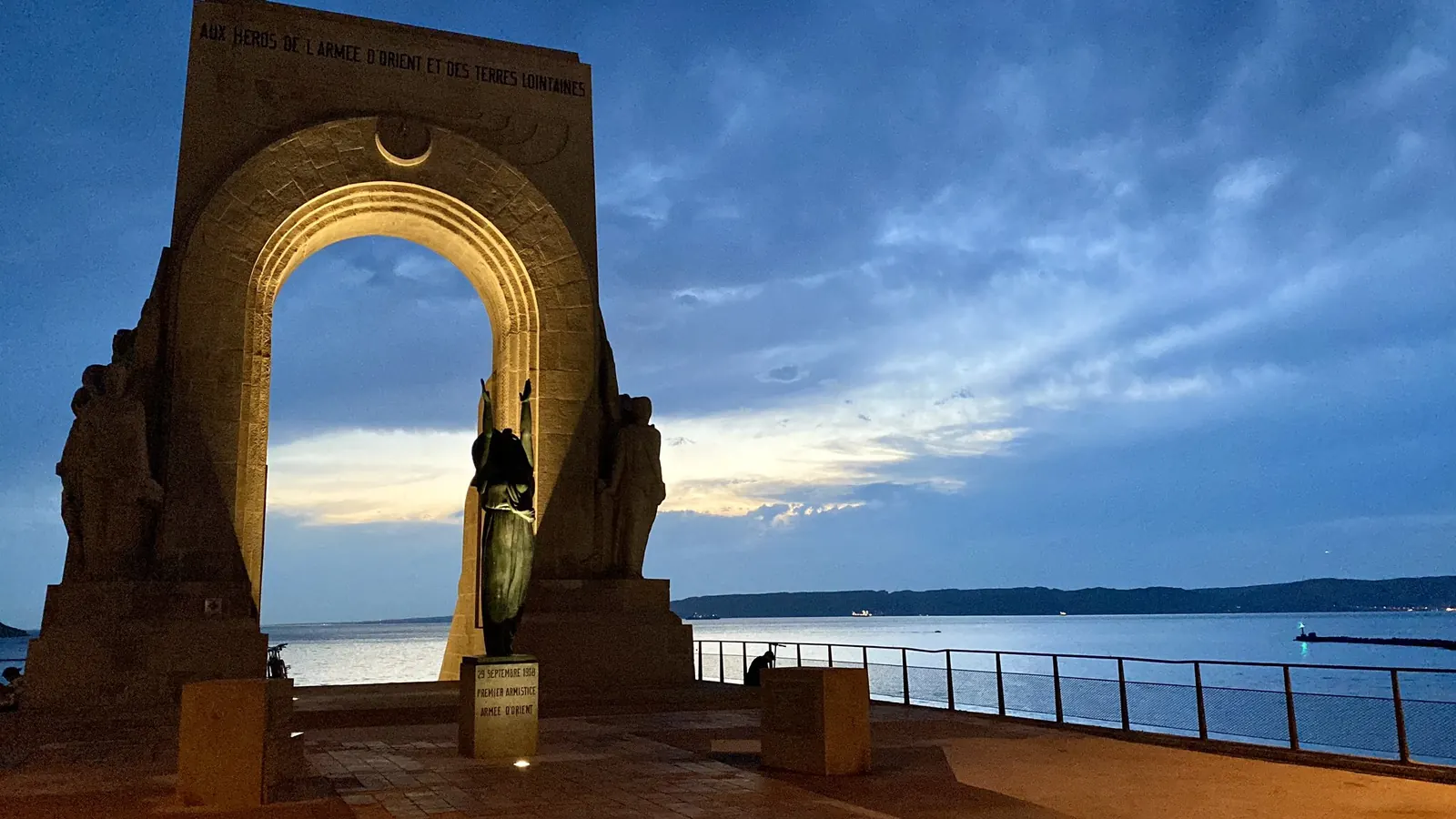
- Corniche, Endoume, Vallon des Auffes, Malmousque. Residential, seaside, very safe. Cars parked along the Corniche get broken into if anything is visible inside.
- Prado beaches and Pointe Rouge. Family beaches by day, quiet at night. Do not leave a bag unattended while swimming.
- Calanques. The risk is the sun, the rock and the sea, not people. Water, shoes, and check the park’s fire-risk closures in summer.
- Northern districts. Not dangerous to drive through on the motorway, which you will do to and from the airport. No reason to stop.
Women and solo travellers
Women who live here move around alone at every hour in the central and seaside districts. You will get comments in the street, as in Naples or Barcelona; it is tiresome, not dangerous. At night, prefer lit streets, the quays and taxis; in bars, watch your drink. Solo travellers of any gender: Marseille is a talkative city, and a stranger starting a conversation is usually just that.
Ten habits that remove most of the risk
- Phone in your hand or pocket, never on the café table.
- Bag zipped and in front of you in the metro and the Noailles crowd.
- Nothing visible in a parked car, ever, anywhere.
- Withdraw cash inside bank branches, not from street ATMs at night.
- Say a firm non merci to anyone offering help with a ticket machine or a “petition”.
- Taxi or ride-hailing from the station after midnight.
- Avoid empty streets, not whole neighbourhoods.
- Swim where locals swim; do not leave valuables on the rocks.
- In the Calanques, respect closures and take more water than you think.
- Ask a local. Marseillais love explaining their city, and they will tell you exactly where not to go, which is nowhere you wanted to go anyway.
The verdict
Marseille is a big, loud, unequal port city with a real crime problem that almost never touches visitors, and a centre and coastline that are as safe as any comparable city in southern Europe. Come with the same common sense you would take to Rome, and you will spend your time wondering what the fuss was about.
Deciding between here and the Riviera? Read Nice vs Marseille. Wondering which district to stay in? Our neighbourhoods guide covers that.
Frequently asked questions
Is Marseille safe for tourists?
Yes, in the areas visitors use. The Vieux-Port, Le Panier, the Corniche, the Prado and the Calanques are as safe as any large Mediterranean city by day and in the evening. The violence that makes the news is drug-trade related and concentrated in northern housing estates far from any sight.
Is Marseille safe at night?
The Vieux-Port, the Cours Julien, the Corniche and the Prado are lively and fine until late. Avoid the empty streets around Saint-Charles station, Belsunce and the Porte d'Aix after midnight, and take a taxi or ride-hailing rather than walk when the streets are empty, exactly as you would in Rome or Barcelona.
Is Marseille safe for solo female travellers?
Women living here move around alone at all hours in the central and seaside districts. Catcalling exists as in every southern European city; violence against tourists is rare. The usual rules apply: bright streets, a taxi late at night, drinks you have seen poured.