Plan your trip
Travel tips before you go to Marseille
What to know before you land in Marseille, from people who live here: entry requirements, the best months to come, budgets and payment, how far English gets you, the neighbourhoods, safety and the small habits that make locals warm to you.
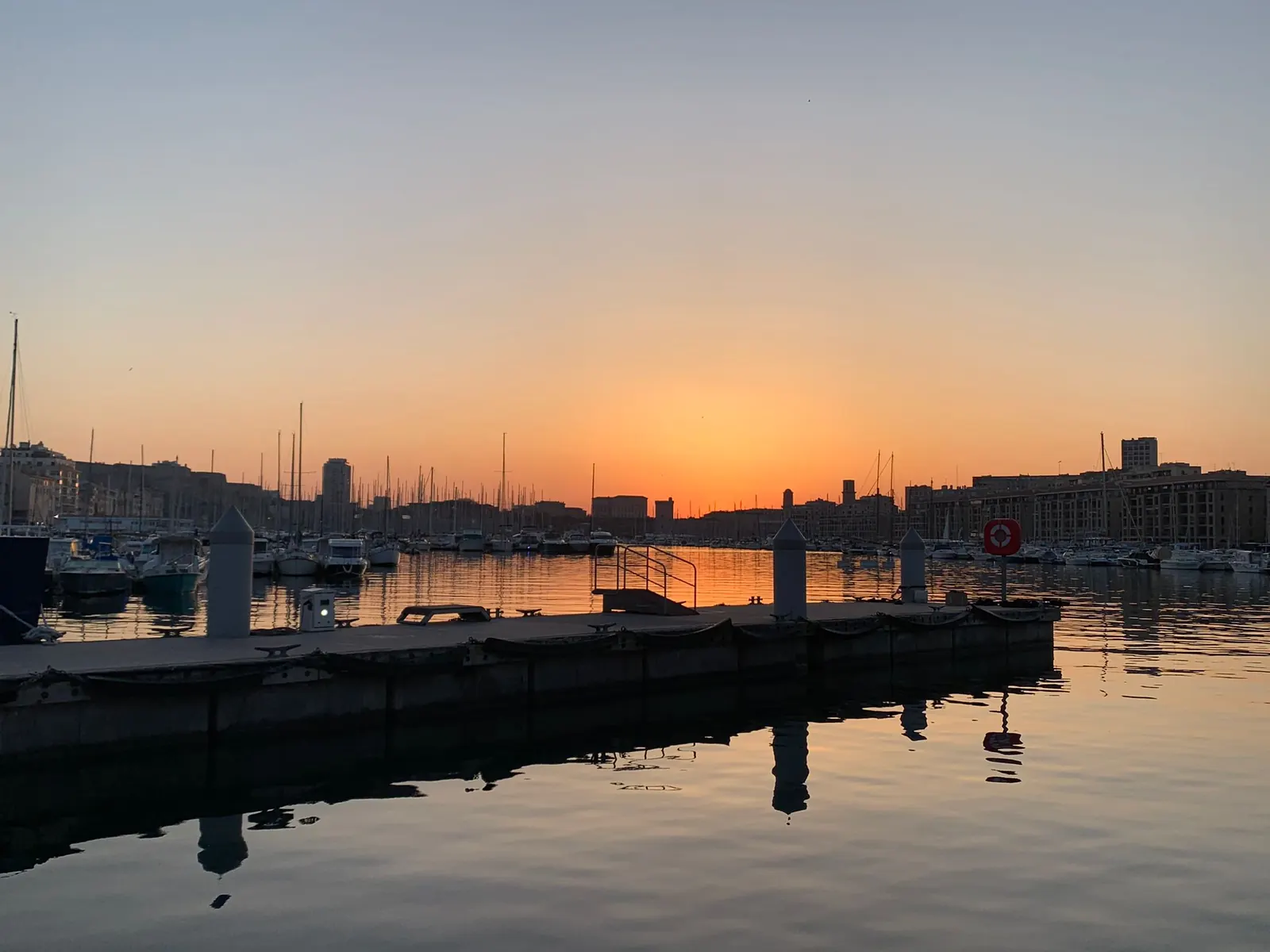
Founded 2,600 years ago, France’s oldest city is a lively, multicultural place that is a great pleasure to visit once you understand how it works. Climb the monumental staircase of Saint-Charles station, look at the city spread out below and you will understand why the local film director Robert Guédiguian said that Marseille “is not France, is not Provence, it is the world”. Here is what we tell friends before they arrive.
1. Entry requirements
France is part of the Schengen area. Citizens of the European Union, the United Kingdom, the United States, Canada, Australia and New Zealand do not need a visa for stays under 90 days. Travellers from many other countries do. Check the official France-Visas website well ahead of your trip, gather the documents carefully and apply through the nearest visa centre; a single missing paper can delay everything. Non-EU visitors should also keep an eye on the EU’s electronic entry and travel-authorisation systems, which are being phased in.
2. Weather and when to come
Marseille has the classic Mediterranean pattern: hot, dry summers and mild, wetter winters. It claims about 300 days of sunshine a year and, on most of them, that is true. The variable is the mistral, a cold, dry northerly wind that can blow hard for one to three days, clear the sky to an impossible blue and empty the beaches.
- Spring (April to June): our favourite. Warm days, the sea becomes swimmable in June, terraces are full but not crowded.
- Summer (July and August): 30 °C and above, busy, wonderful for the sea and the evenings on the quays. Book restaurants and boats ahead.
- Autumn (September and October): warm sea, softer light, the locals are back. September is the best month of the year here.
- Winter (November to March): mild, often sunny, occasionally very wet for a day or two. Some seaside restaurants close in January. Ideal for museums, markets and the Panier without crowds.
It almost never snows. Rain, when it comes, tends to be heavy and short.
3. Money and budgets
The currency is the euro. Cards are accepted almost everywhere, including on RTM buses and at market stalls with contactless terminals, but a few bakeries, bars and small restaurants still prefer cash for small amounts. ATMs are everywhere in the centre. Cards need a chip and PIN; older magnetic-stripe cards may fail at unattended machines such as motorway tolls and 24-hour petrol pumps. Tell your bank you are travelling, and consider a card with no foreign transaction fees.
Indicative daily budgets per person, excluding transport to Marseille:
| Style | Bed | Food | Roughly |
|---|---|---|---|
| Budget | Hostel dorm or simple room, 30 to 60 € | Bakery lunches, a plat du jour, market food | under 100 € |
| Mid-range | Good hotel or flat, 100 to 200 € | Lunch menus 20 to 40 €, one nice dinner | 150 to 250 € |
| Comfort | Boutique or seafront hotel, 200 € and up | Fine dining, a boat trip, taxis | 300 € and more |
Tipping is not expected the way it is in North America: service is included, and leaving a euro or two after a coffee or rounding up a restaurant bill is a kind gesture, not an obligation.
4. Language
French is the language of the city, with a strong local accent and its own vocabulary. In the hospitality trade, at the museums and in the areas around the Vieux-Port you will be understood in English, though the level varies more than in Paris. German and Italian are less common. In administrative offices, banks, post offices and away from the centre, French is required.
Learn five phrases: bonjour (always, before anything else), s’il vous plaît, merci, l’addition, s’il vous plaît and pardon. Greeting people when you enter a shop matters more here than the quality of your grammar. If you would rather have the language barrier handled for you for a day, read how to find an English-speaking guide.
5. Neighbourhoods and where to stay
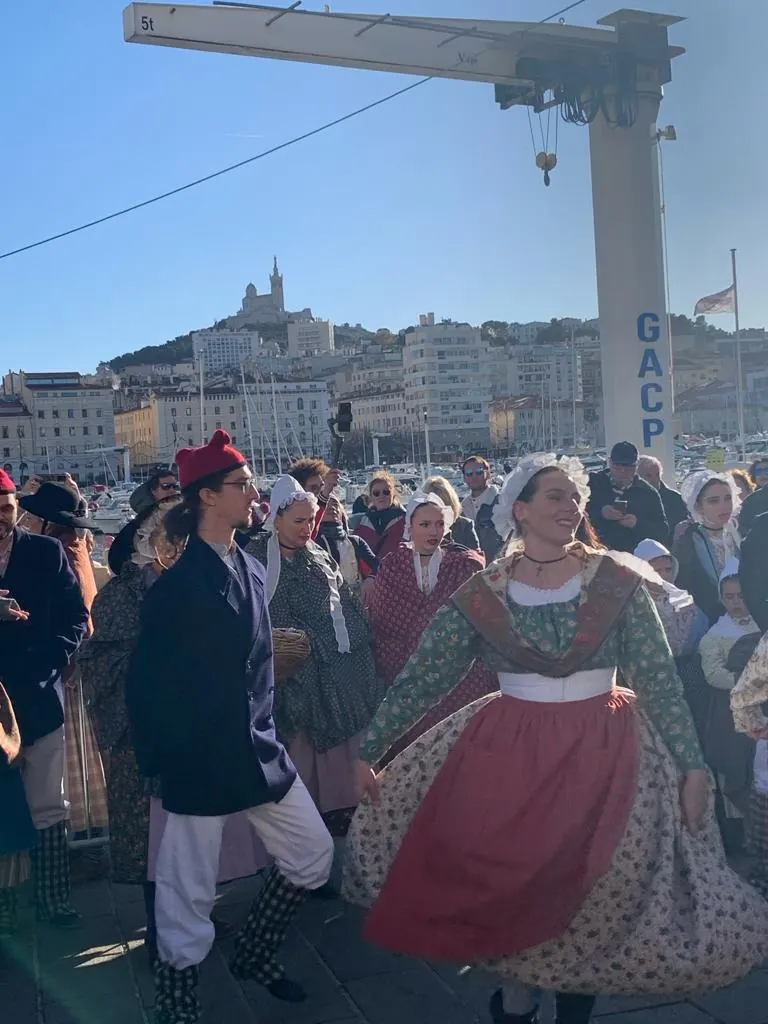
- Vieux-Port and Le Panier (1st and 2nd arrondissements): the historic heart, most sights on foot, lively until late. First-time visitors should stay here.
- Noailles and Cours Julien (1st and 6th): the market and the street-art quarter, cheap eats, bars, young and noisy.
- Endoume, Corniche and Vallon des Auffes (7th): seaside, quieter, villages inside the city, 20 minutes from the centre by bus 83.
- Prado and Pointe Rouge (8th): beaches, the Vélodrome stadium, family-friendly, a bit far from the historic centre.
- La Joliette (2nd): the renovated docks, business hotels, close to the ferries and the MuCEM.
6. Safety, honestly
Marseille has a reputation in France that is largely built on organised-crime news from northern districts that no visitor ever sees. The centre and the seafront are as safe as any big Mediterranean city. Take the usual precautions: keep your phone in your hand, not on the café table; watch your bag on the metro and in the Noailles crowds; do not leave anything visible in a parked car; avoid empty streets around the station and the Belsunce area very late at night. We walk the city every day, and this is the whole of our advice; the long version is in Is Marseille safe?.
7. Getting around and what to see
The RTM network of buses, two metro lines and three trams makes moving around cheap and easy; we explain the tickets and the useful lines in how to get around Marseille. For the sights, from the Vieux-Port and Notre-Dame de la Garde to the Château d’If, the Calanques and the fishing villages, start with our list of must-see sights in Marseille.
8. Small habits that help
- Say bonjour. Then ask your question.
- Lunch is 12:00 to 14:00, dinner from 19:30. Kitchens close in between; plan accordingly.
- Bouillabaisse is ordered in advance and costs what it costs. Anything cheap under that name is not bouillabaisse.
- Pastis is drunk with a lot of water, before dinner, slowly.
- The sea is public everywhere. Bring a towel and swim from the rocks like the locals.
- Sunday afternoons are quiet: many shops close, the Corniche fills with families.
Come to Marseille and just breathe.
Frequently asked questions
Is Marseille safe for tourists?
The areas visitors use, from the Vieux-Port and Le Panier to the Corniche and the Prado, are as safe as any large European city by day and in the evening. Use the same common sense as in Rome or Barcelona: watch your phone and bag in crowds and on the metro, and avoid dark, empty streets late at night.
What is the best time of year to visit Marseille?
May, June, September and early October give warm sea, long days and fewer crowds. July and August are hot and busy but the best months for swimming. Winter is mild and often sunny, ideal for museums and walks, though the mistral can be cold.
Do I need to speak French in Marseille?
In hotels, most restaurants near the port and the museums, you will manage in English. Elsewhere, and especially in offices, small shops and with older people, a few words of French open doors. This site exists precisely because the city speaks your language less than you might expect.