History and culture
Marseille: its foundation and ancient history
How Greek sailors founded Massalia around 600 BC, why the legend of Gyptis and Protis still matters, how the city grew rich, fell to Caesar and survived the fall of Rome, plus the fun facts our guides tell on every tour.
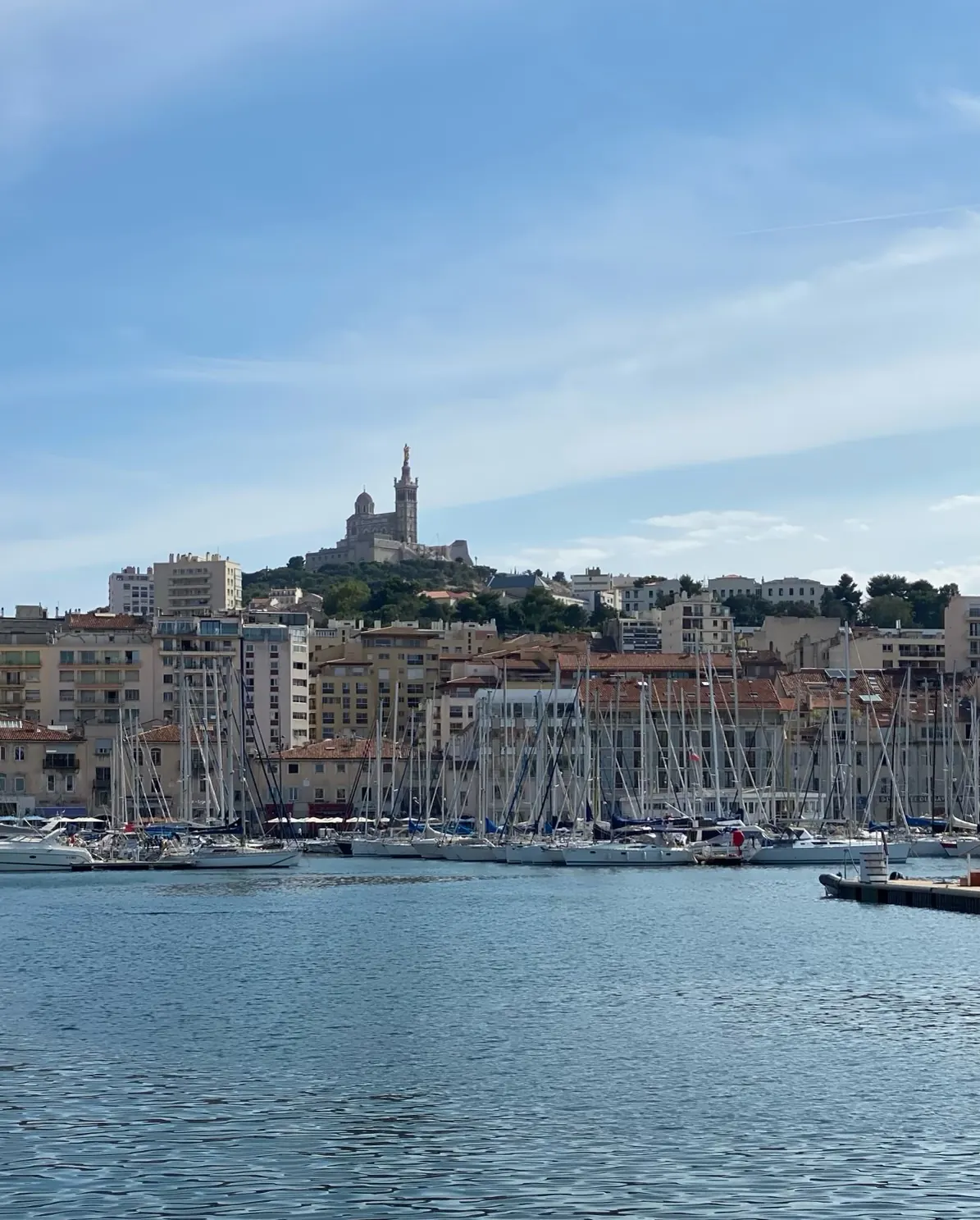
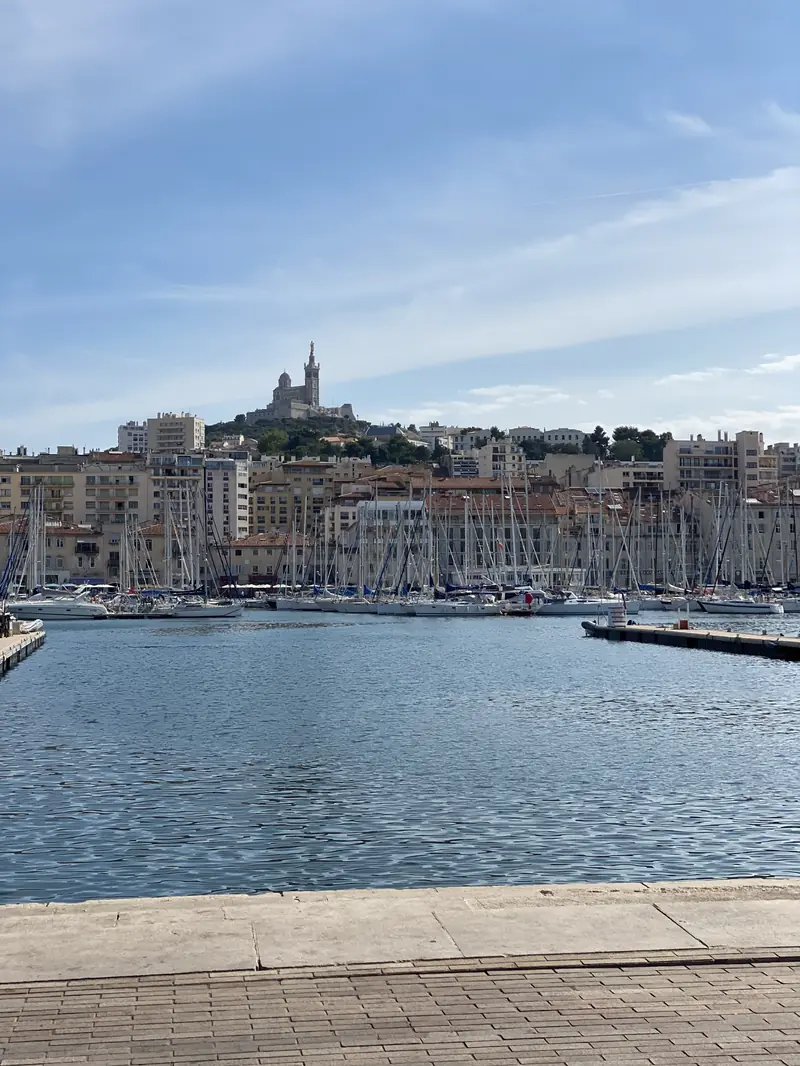
Marseille is a beautiful city in the south of France, the country’s great port and its second-largest city, home to the Vieux-Port and to the basilica of Notre-Dame de la Garde whose gilded Madonna watches over sailors, fishermen and everyone else. It is also the oldest city in France, and its history, told chapter by chapter, is what turns a walk around the harbour into something you remember. This first chapter runs from the legend of the founding to the end of antiquity.
Fun facts to start with
- Marseille is the oldest city in France, founded around 600 BC.
- The Marseillaise, the French national anthem, was a war song of the Rhine army that the volunteers from Marseille sang as they marched to Paris in 1792; Parisians named it after them.
- The Canebière, the main avenue, takes its name from canebe, the Provençal word for hemp: rope-makers worked here for the ships of the port.
- Massalia was the Greek name, Massilia the Roman one. Our own name, Visit Massilia, is a nod to it.
- Marseille has been nicknamed “the gateway to the East” and “the secret capital of France”. It was European Capital of Culture in 2013.
- It remains the largest port in France and one of the largest in the Mediterranean.
The legend of Gyptis and Protis
The founding story is a wedding. Around 600 BC, Greek sailors from Phocaea, a city in Ionia on the coast of present-day Turkey, arrived in the deep natural harbour they called the Lacydon. That day the local Ligurian king, Nann, was giving a banquet at which his daughter Gyptis would choose a husband by offering him a cup of water. She offered it to Protis, the leader of the Greeks. The dowry was the land around the harbour, and the colony of Massalia was born.
Legend or not, the archaeology confirms the date and the place. The Greek quays, the ramparts and the fresh-water basin have been excavated in the Jardin des Vestiges behind the Vieux-Port, and the harbour itself has never moved: the fishing boats still tie up where the Phocaean ships did. Human presence in the area is far older, from the painted Cosquer cave of 27,000 years ago under the Calanques to the Neolithic villages of 6,000 BC, but the city begins with the Greeks.
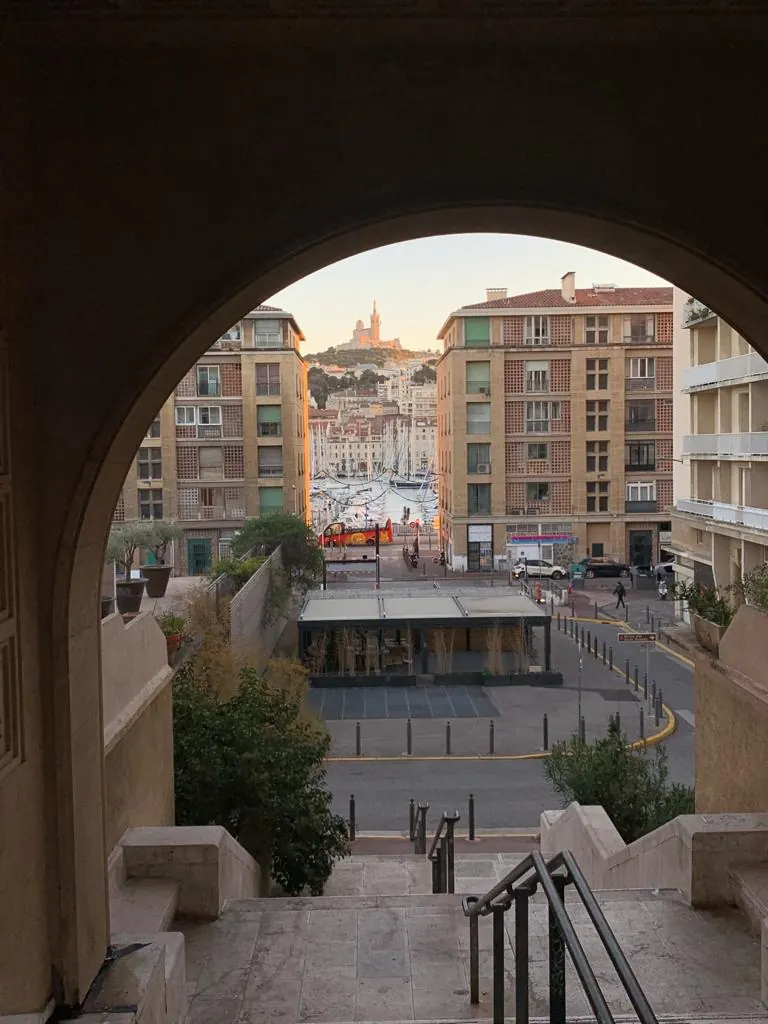
A Greek republic in Gaul
Massalia grew quickly into one of the great trading cities of the western Mediterranean. Its ships carried wine, oil and pottery up the Rhône and along the coasts of Spain and Liguria; its explorers, like Pytheas in the 4th century BC, sailed as far as Britain and the Arctic circle. The city founded its own colonies, Nice, Antibes, Agde and others, and struck its own silver coins.
It was governed as an aristocratic republic by a council of six hundred timouques, elected for life, from whom fifteen executives and three chief magistrates were drawn. Ancient authors admired its stability and its laws, and were amused by some of them: women were forbidden wine, and the city kept a store of poison that citizens could request, with the council’s permission, to end their lives.
Rome, Caesar and the loss of independence
Massalia allied itself with Rome early and prospered under its protection for two centuries; it was Massalia that called in the Roman legions against the Gauls in 125 BC, which led to the creation of the Roman province of Provence. The alliance ended badly. In the civil war between Caesar and Pompey, the city sided with Pompey and closed its gates to Caesar on his way to Spain in 49 BC. Caesar’s lieutenants besieged it by land and sea; after six months Massalia surrendered, lost its fleet, its treasury and most of its territory, and was left a free but diminished city within the Roman world.
Roman Massilia remained a place of learning, “the Athens of Gaul” where young Romans were sent to study Greek, and a busy port. Christianity arrived early: the abbey of Saint-Victor, founded in the 5th century over the tombs of martyrs, is one of the oldest Christian sites in France and still stands above the harbour, fortified like a castle.
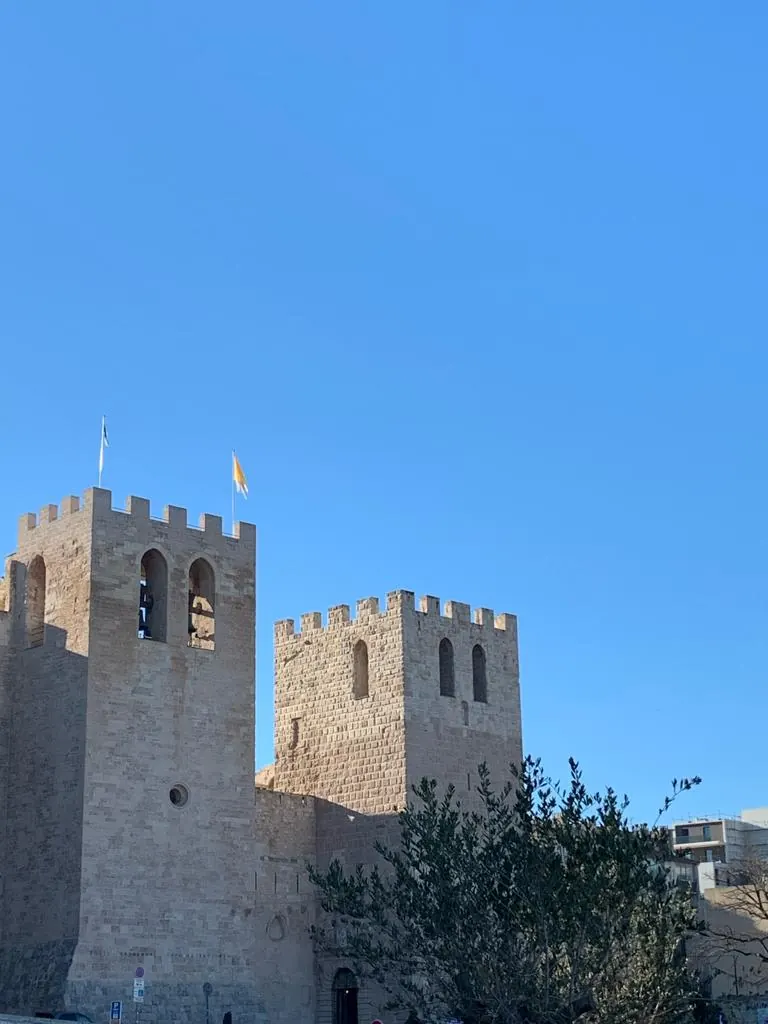
After Rome
When the Western Empire collapsed in the 5th century, Marseille passed to the Visigoths, the Ostrogoths and then the Franks, and its trade shrank with the Mediterranean economy. It never disappeared. The port kept working, the bishops kept the city together, and by the 10th century the merchants were back. The city’s autonomy, its fights with its rulers, the plagues and the rebirths belong to the next chapter: Marseille in the Middle Ages and the Renaissance.
Ancient Marseille is not only in the museum. On our monuments walking tour we stand on the Greek quay, walk the hill of Le Panier where the first settlers built their houses, and look at the harbour that has been the centre of the city for twenty-six centuries.
Frequently asked questions
When was Marseille founded?
Around 600 BC, by Greek settlers from Phocaea in Ionia, on the coast of present-day Turkey. That makes Marseille the oldest city in France.
Why was Marseille called Massalia?
Massalia was the Greek name of the colony; the Romans latinised it as Massilia, and the French form Marseille comes from it. The origin of the Greek word itself is uncertain.
Where can I see ancient Marseille today?
At the Jardin des Vestiges next to the Centre Bourse, where the Greek harbour and ramparts are excavated in the open air, and in the adjoining Musée d'Histoire de Marseille, which displays the shipwrecks and everyday objects found there.