History and culture
Marseille nowadays: a port city in motion
What Marseille is today: the largest port in France, a university city, the European Capital of Culture of 2013, the home of Olympique de Marseille, and a city that keeps reinventing its old stones, told by guides who live in it.
When you hear “Marseille”, one word should come to mind: dynamism. The French business magazine L’Expansion gave the city that label in 2005, and twenty years later it fits better than ever. A city founded in 600 BC that keeps reinventing itself, shattering records and clichés along the way, is nothing short of dynamic. Here is Marseille as it is now, seen from the inside.
A commercial port, still
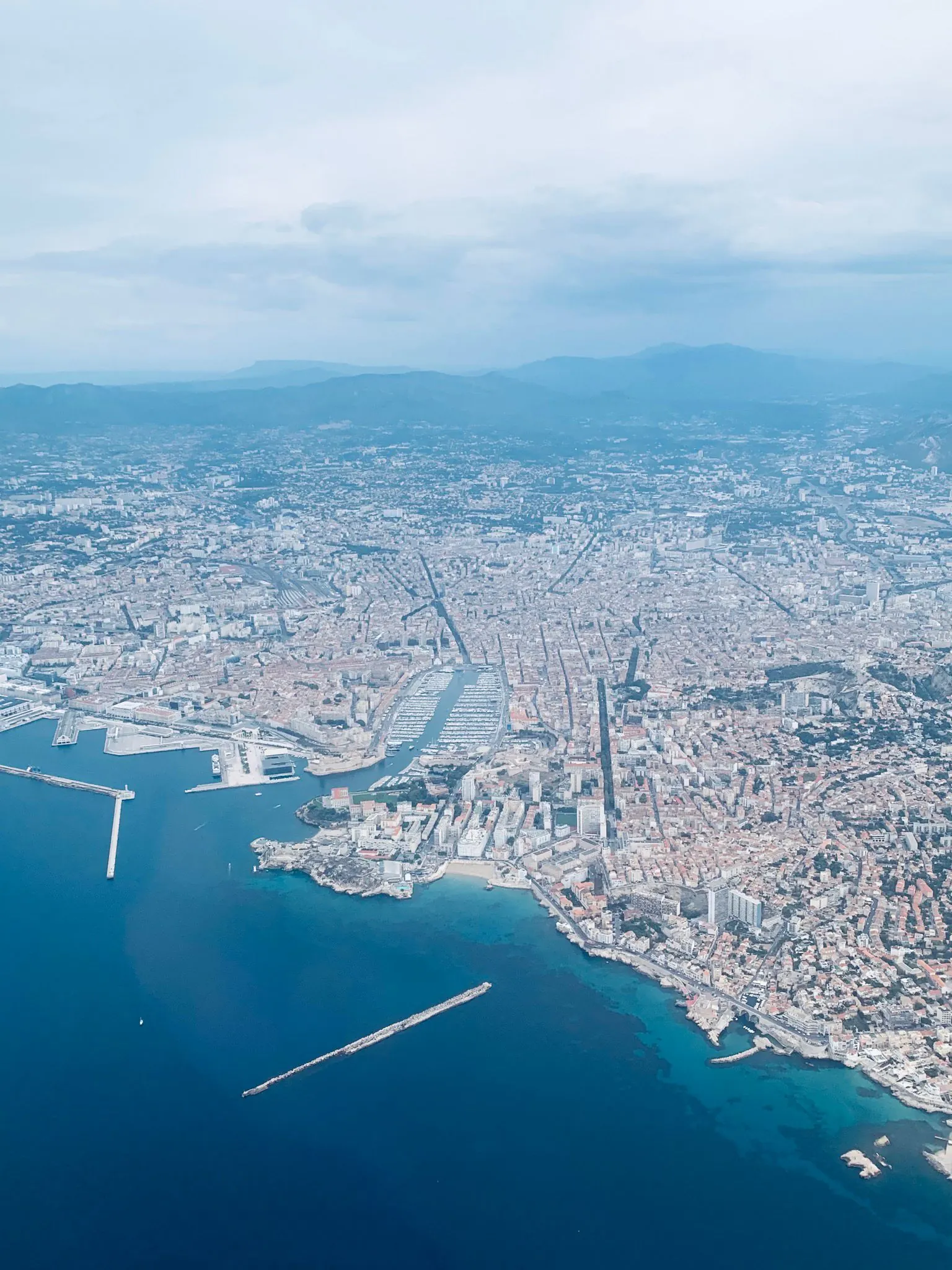
From the first day, Marseille has lived from its harbour. When the Vieux-Port became too small in the 19th century, the city built new docks to the north, at the Joliette, and then a whole second port at Fos-sur-Mer, 50 km away. Together they form the Grand Port Maritime de Marseille, the largest port in France by tonnage: containers, oil and gas, ferries to Corsica and North Africa, and around a million and a half cruise passengers a year.
Less visible, and more surprising: Marseille is one of the world’s main landing points for undersea data cables. Lines from Asia, the Middle East and Africa come ashore here, and the old warehouses of the port have filled with data centres. The city that shipped spices now ships data.
Roads, air and rail
Marseille Provence Airport is among the busiest in France; the TGV puts Paris three hours away; the A7, A8, A50 and A55 motorways meet here. The metropolitan area, Aix-Marseille-Provence, is the largest in France by surface area and produces a regional GDP in the tens of billions of euros. Thousands of companies are based in the renovated Euroméditerranée district behind the docks, the biggest urban regeneration project in southern Europe, with its tower by Zaha Hadid and its rebuilt warehouses.
Education and research
Aix-Marseille University, created in 2012 by the merger of the three local universities, is one of the largest universities in the French-speaking world, with some 80,000 students and thousands of researchers. The Luminy campus, at the edge of the Calanques, hosts mathematics, biology and oceanography institutes; the hospitals of La Timone are among the largest in Europe.
Culture and tourism
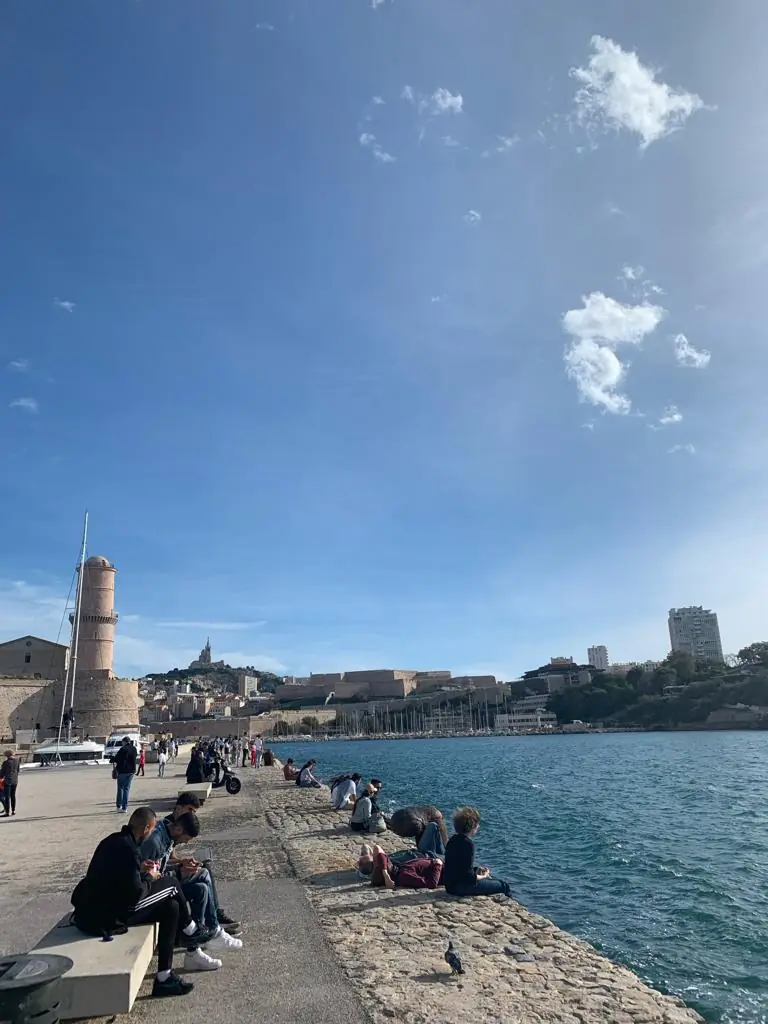
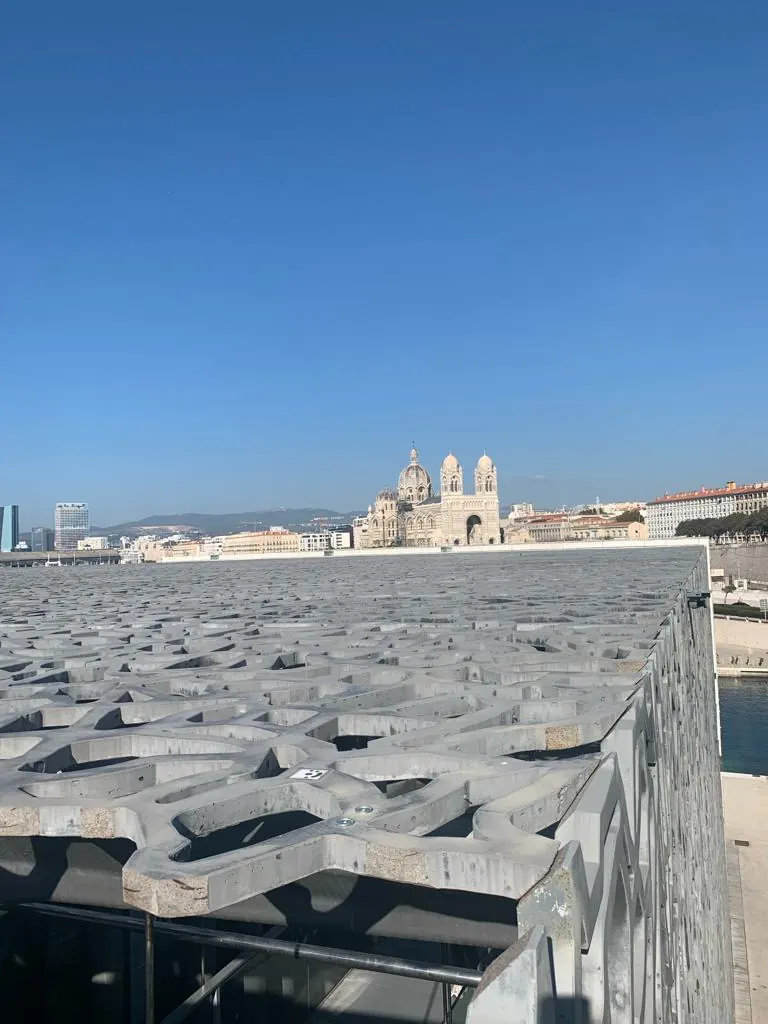
Marseille has twenty-odd museums, dozens of theatres, an opera house, and a street-art scene in the Cours Julien that draws visitors from abroad. The turning point was 2013, when Marseille-Provence was European Capital of Culture. The year gave the city the MuCEM, the first national museum outside Paris; the renovated Vieux-Port with Norman Foster’s mirrored Ombrière; the Villa Méditerranée, now home to the replica of the Cosquer cave; and the restoration of the Fort Saint-Jean, the Vieille Charité and dozens of façades. Tourism, once an afterthought, became an industry: several million visitors a year, and more cruise passengers than any other French port.
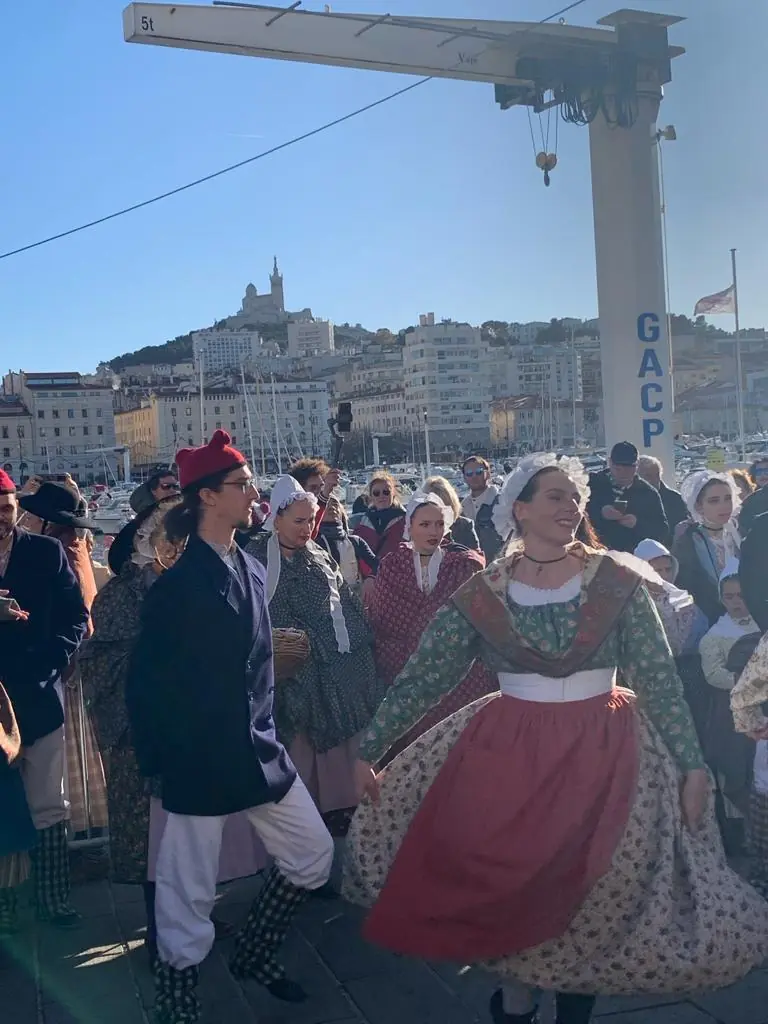
The multicultural make-up of the city, Provençal, Italian, Corsican, Armenian, Comorian, North and West African, is its cultural engine. It shows in the food, the music, the football stands and the fact that when you ask people here where they are from, they say “Marseille” before “France”.
Preservation and reinvention
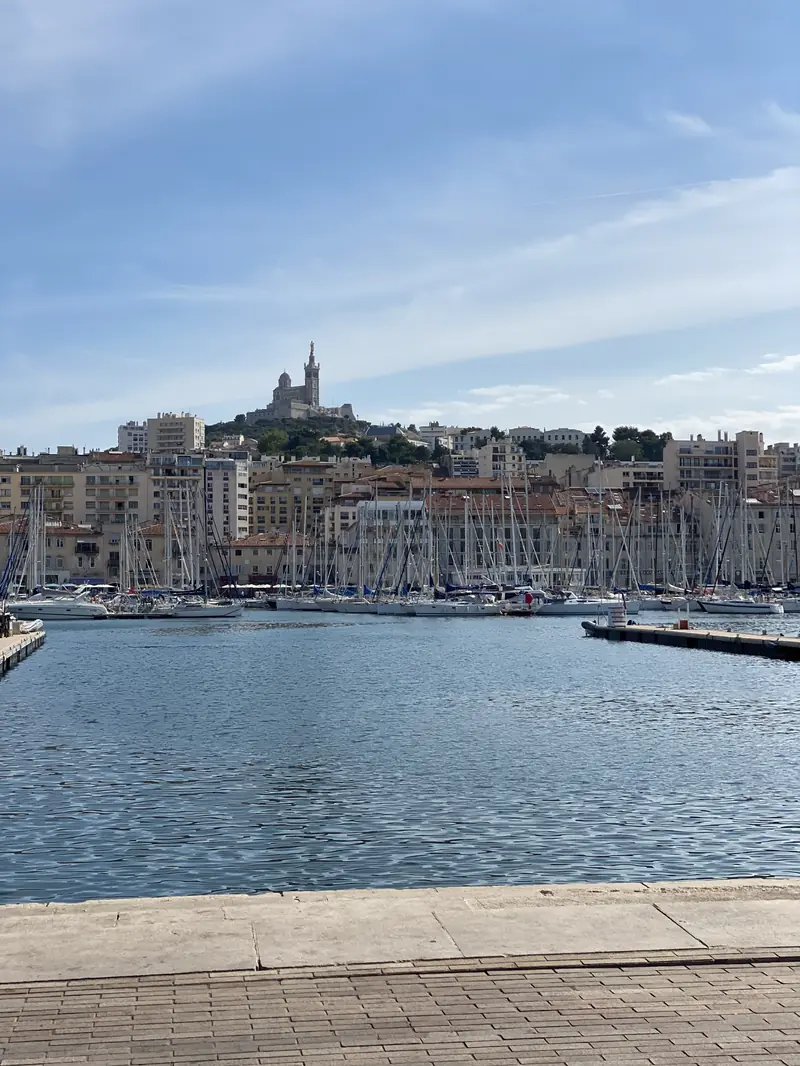
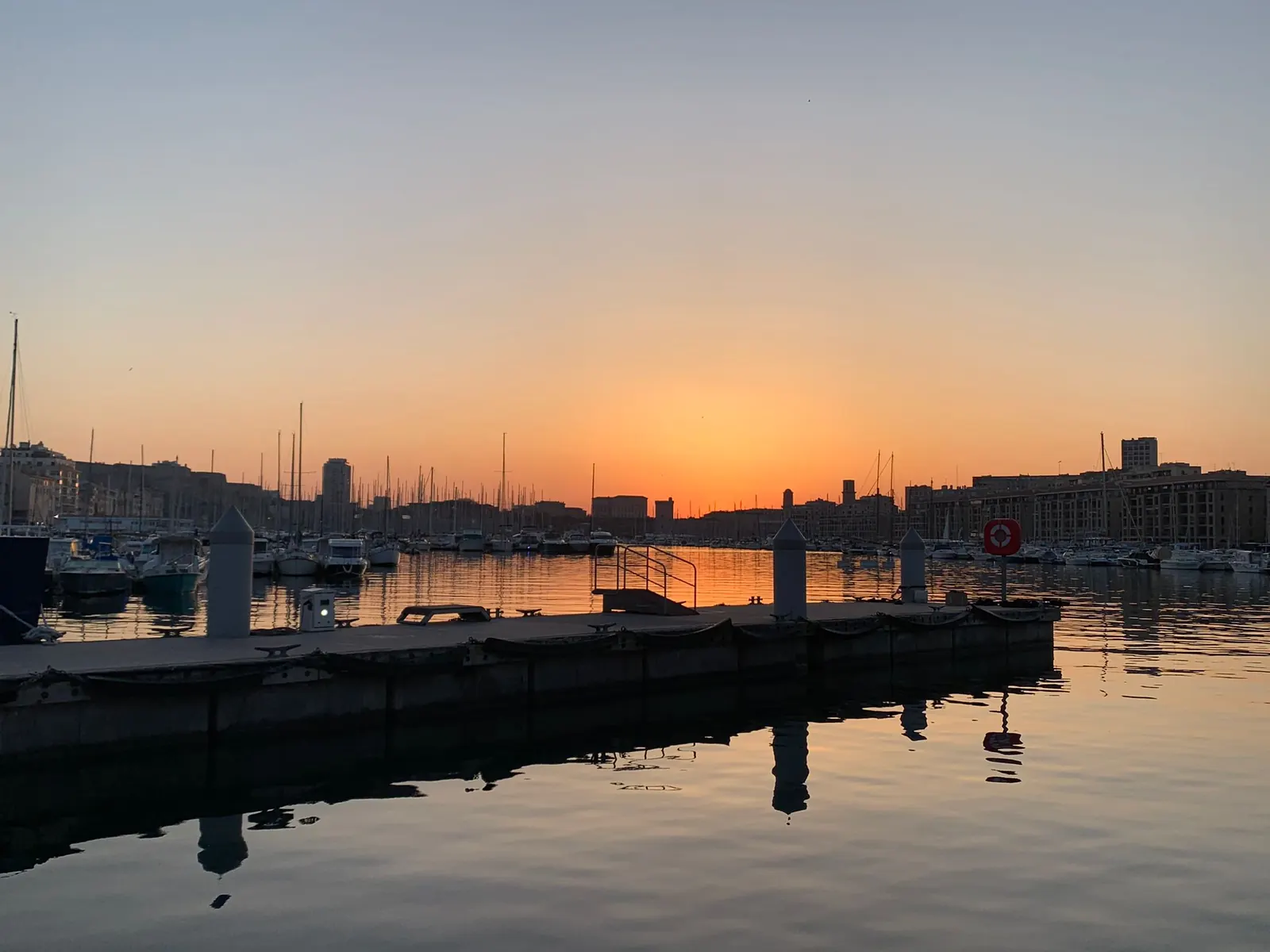
What keeps Marseille interesting is its habit of reusing its old stones. Notre-Dame de la Garde, first a lookout and a fort, became a chapel and then, in the 1850s and 1860s, the basilica that is the symbol of the city, still full of worshippers every day. The 18th-century Hôtel-Dieu hospital is a five-star hotel. The Vieille Charité, built to lock up the poor, holds two museums. The tobacco factory of the Belle de Mai is an arts centre, the sugar silo at Arenc a concert hall, the docks of the Joliette a shopping street. The Vieux-Port and the Panier have been in continuous use for 2,600 years and still work as a harbour and a neighbourhood.
Sport
Olympique de Marseille, founded in 1899, is the only French club to have won the Champions League (1993) and the one with the most passionate supporters in the country. Its home, the Orange Vélodrome, seats 67,000, hosted matches of the 1998 World Cup, Euro 2016 and the 2024 Olympic football tournament, and fills for every home game. The Olympic sailing events of 2024 were held in the bay, off the new Marina in the Roucas-Blanc district. On match days the whole city wears white and sky blue; ask us to plan one into your stay.
The future is still dynamic
Marseille has problems, and its people talk about them loudly: inequality between the north and the south of the city, housing, transport that lags behind the growth. It also has the sea, the light, a young and mixed population and a habit of coming back stronger. What the city has become since 2013 is only the latest chapter of a very long story. Read how it began in Marseille: its foundation and history, and what makes its people who they are in Marseille’s culture and traditions.
Frequently asked questions
How big is Marseille?
About 870,000 inhabitants in the city and 1.9 million in the metropolitan area, which makes it the second-largest city in France and the largest on the Mediterranean coast of France.
Is Marseille still an important port?
Yes. The Grand Port Maritime de Marseille, with its two basins in the city and at Fos-sur-Mer, is the largest port in France by tonnage, a major cruise port and a hub for undersea data cables linking Europe, Africa and Asia.
Why was 2013 important for Marseille?
Marseille-Provence was European Capital of Culture in 2013. The year brought the MuCEM, the renovation of the Vieux-Port with the Ombrière, the Villa Méditerranée and dozens of restored buildings, and changed how the city saw itself.